Recovery from heart surgery is a journey that does not end when you leave the hospital; it continues at home, every single day.
For many patients, heart failure surgery comes after months of breathlessness, fatigue, and repeated hospital visits. The procedure addresses the physical problem, but what truly brings life back to normal is everything that happens after; the rest, the medication, the small daily choices that add up over weeks.
This guide walks you through what recovery actually looks like, in the same straightforward way doctors explain it during discharge.
1. Follow a Structured Rest and Activity Plan
One of the most common mistakes after surgery is trying to return to normal too quickly. The body can feel stronger before it has actually healed, and pushing too soon can set recovery back.
Most patients need a gradual increase in activity over 6 to 12 weeks, depending on surgery type and overall health:
- First few days: rest, short assisted walks inside the room
- Week 2-3: slow walking inside the house
- Week 4-6: short outdoor walks in safe environments
- After 6 weeks: light routine tasks with doctor approval
You can’t rush heart recovery; it moves only as fast as the body is ready to heal.
2. Understand Your Condition: Congestive Heart Failure Surgery Care
After congestive heart failure surgery, the heart is still adjusting to functioning in a more stable way. This is why careful monitoring at home matters so much in the weeks that follow.
Watch for these early warning signs:
- Swelling in the feet or stomach
- Sudden weight gain over one to two days
- Breathlessness while lying flat
- Feeling unusually tired even after rest
In cities like Delhi NCR, many patients dismiss mild breathlessness as pollution-related, but after surgery, it can also signal fluid imbalance and should never be ignored.
3. Take Medications Strictly as Prescribed
Medication after heart surgery is not a short-term fix. It is part of the heart’s long-term protection, helping stabilise rhythm, prevent clots, and support healing during the most vulnerable phase of recovery.
A simple routine that actually works:
- Use a daily pill organiser kept somewhere visible
- Set phone alarms for morning and night doses
- Never skip a dose, even on days you feel completely fine
- Do not adjust dosage on your own
One missed dose may seem harmless, but in cardiac recovery, consistency is what keeps setbacks away.
4. Eat a Heart-Healthy Diet
Eating well after surgery is not about restriction, it is about giving the body what it needs to rebuild without putting extra strain on the heart.
What to include:
- Fresh fruits like apple, papaya, and banana
- Home-cooked dal, roti, and rice in controlled portions
- Light vegetables cooked with minimal oil
- Protein from eggs, fish, or legumes
What to avoid:
- High-salt snacks like namkeen, papad, and pickles
- Fried and packaged foods
- Street food, which is a common temptation in daily Gurgaon routines
Reducing salt in particular helps prevent fluid retention and keeps heart function stable during recovery.
5. Manage Pain and Take Care of the Surgical Wound
Some chest discomfort after surgery is completely normal, but it should gradually reduce, not worsen over time.
- Take pain medication on schedule rather than waiting for pain to peak
- Keep the wound area clean and dry at all times
- Wear comfortable and soft cotton clothing
- Avoid putting pressure on the chest while sleeping
If you notice fever or any discharge from the wound site, contact your doctor immediately. Catching an infection early prevents far bigger complications later.
6. Start Cardiac Rehabilitation Early
Cardiac rehabilitation is often the difference between a slow, uncertain recovery and one where patients genuinely feel themselves getting stronger.
It typically includes:
- Supervised walking sessions
- Breathing exercises
- Diet and lifestyle guidance
- Emotional support and reassurance
In Gurgaon, even simple guided walking in a residential area, once the doctor gives approval can make a meaningful difference. Many patients find that structured rehab gives them the confidence to move again without the constant fear of chest discomfort.
7. Consider Advanced Treatment Options Like Robotic Surgery
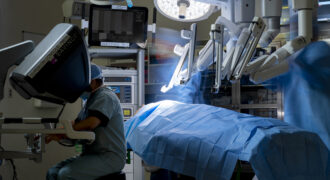
For patients undergoing robotic heart surgery in Gurgaon, the early phase of recovery often feels surprisingly manageable. Because robotic procedures use much smaller incisions, the body has less to recover from and that shows up quickly in how patients feel in those first few days.
Many patients describe the experience in ways that catch even them off guard:
- “I expected severe pain, but I could move much earlier than I thought.”
- “The discomfort was there, but not overwhelming.”
- “I felt more confident walking within days.”
That said, doctors are always careful to set the right expectations. Moving around sooner does not mean the heart has healed. It still needs time to fully stabilise on the inside, even when things feel better on the outside.
8. Manage Stress and Emotional Health
This is the part of recovery that gets talked about the least, yet it matters enormously. After heart surgery, patients often become more sensitive to bodily sensations, small discomforts feel alarming, and anxiety can creep in without warning.
Simple things that genuinely help:
- Talking openly with family instead of sitting with worries alone
- Short morning walks in natural light
- Listening to calm, familiar music
- Gentle breathing exercises at a comfortable pace
In a high-pressure environment like Gurgaon, emotional stability directly affects physical recovery. A calmer mind genuinely helps the heart heal better. As healing takes more than a skilled surgery, it takes the right support on the other side of it, too.
Dr. Udgeath Dhir: When Healing Needs Expert Hands and Reassuring Guidance
Recovery after heart surgery is not something patients should navigate alone. A small doubt can cause anxiety, a symptom can feel confusing, and sometimes families just need reassurance that things are moving in the right direction.
Dr. Udgeath Dhir offers complete cardiac support before, during, and long after surgery. Whether it is expert care for complex heart conditions, coronary bypass or valve surgery consultation, advanced minimally invasive and robotic procedures in Gurgaon, or structured recovery supervision and long-term monitoring, patients are supported at every stage.
Because real recovery means gradually finding your way back to a life that feels normal again.
FAQs
- How long does recovery take after heart failure surgery?
Initial healing takes 6 to 12 weeks, but full internal recovery can take 3 to 6 months, depending on age, health, and the type of surgery performed.
- What should I avoid after congestive heart failure surgery?
Avoid heavy lifting, smoking, alcohol, high-salt foods, skipping medications, and rushing back into physical activity before your doctor gives the go-ahead.
- Is walking safe after heart surgery?
Yes, walking is one of the most important parts of recovery. It improves circulation, reduces complications, and gradually strengthens the heart when done under proper guidance.
- What is robotic heart surgery, and what are its benefits?
It is a minimally invasive procedure using robotic assistance, offering smaller incisions, less post-operative pain, and faster early recovery, while still requiring the same internal healing time.
- When should I contact my doctor after surgery?
Reach out immediately if you experience chest pain, breathlessness, fever, leg swelling, wound discharge, or sudden weight gain.