Have you noticed that you feel winded after climbing just a short flight of stairs? Or perhaps a strange, heavy pressure in your chest makes you stop and rest during a casual walk?
It is easy to blame these moments on stress, a lack of sleep, or simply getting older. But what if your body is trying to tell you something much more critical?
Your heart relies on a steady supply of oxygen-rich blood to work properly. When the pathways supplying your heart become narrow or blocked, it struggles to keep up. Recognizing these red flags early can protect you from sudden, severe health risks. If you are experiencing persistent chest pain or breathing changes, it might be time to discuss a coronary artery bypass graft (CABG) surgery with a specialist to restore healthy blood flow and secure your long-term health.
Signs You May Need Coronary Artery Bypass Graft Surgery
Here are seven clear warning signs that indicate you might need to explore this life-saving procedure before your condition becomes critical.
1. Chronic and Persistent Chest Pain (Angina)
Do you frequently feel a heavy squeezing, tightness, or pressure in your chest? This discomfort, known as angina, is the most common sign that your heart muscle is starving for oxygen. It typically flares up when you exert yourself physically, walk up an incline, or experience high emotional stress because your heart rate naturally rises.
As the underlying blockages grow more severe, this pressure can happen even while you are sitting completely still or resting. The tight sensation can also radiate outward, moving up to your jaw, neck, throat, or down into your left shoulder and arm.
2. Unexplained Shortness of Breath
Does catching your breath feel like a chore during basic daily movements? When your coronary arteries are heavily blocked, your heart cannot pump enough blood to meet your body’s demands. This inefficiency causes fluid and pressure to back up into your lungs, making it difficult to breathe comfortably.
At first, you might only feel winded during household chores or when lifting groceries. Over time, this breathlessness can happen during calm conversations or even while lying flat in bed, forcing you to use extra pillows to prop yourself up at night.
3. Deep, Overwhelming Fatigue
Everyone experiences normal tiredness after a hectic day, but cardiac fatigue feels completely different. When your heart struggles to circulate blood due to arterial blockages, less oxygen reaches your muscles, brain, and vital organs. This leaves you feeling entirely drained of energy, even after a full night of restful sleep.
Simple, everyday tasks like walking to your mailbox or tidying up a room can suddenly feel like an exhausting chore. Because this fatigue often builds up gradually, many people mistake it for routine stress, but rest alone cannot fix a physical blockage in your arteries.
4. Frequent Dizziness or Fainting Spells
Feeling lightheaded when standing up quickly or experiencing sudden fainting spells indicates that your brain is not getting a steady, reliable supply of blood. Severe blockages can cause sudden, sharp drops in your blood pressure during physical exertion.
You might experience a floating sensation, a brief loss of balance, or feel like the room is spinning. Fainting is an urgent signal that your heart’s pumping capacity is significantly compromised, requiring a prompt professional evaluation before a sudden dizzy spell leads to a serious physical injury.
5. Recurrent Heart Palpitations
Does it ever feel like your heart is racing, fluttering, or pounding hard against your ribs for no apparent reason? When blockages deprive your heart muscle of essential oxygen, the lack of proper blood flow can disrupt the delicate electrical signals that control your heartbeat.
You might feel a sudden fluttering in your chest or a sensation that your heart has skipped a beat. If left unaddressed, these irregular heart rhythms can gradually weaken your heart muscle over time, making an early diagnostic check essential.
6. Consistently High Blood Pressure
Chronic high blood pressure forces your heart to work much harder to pump blood through your systemic circulation. Over time, this constant, heavy friction damages the delicate inner linings of your coronary arteries.
This structural damage makes it much easier for fatty plaque deposits to accumulate along the artery walls, accelerating blockages. If your blood pressure remains dangerously high despite standard medications and dietary changes, it places an immense, continuous strain on your entire cardiovascular network.
7. Returning Symptoms After a Previous Procedure
Have you previously received a stent or undergone an angioplasty, only to find your original chest pain and breathlessness coming back? Over time, new plaque can build up in different areas, or the previous treatment sites can narrow again, resulting in a failed heart surgery or procedure scenario.
When previous, less invasive interventions stop working effectively, advanced surgical options become necessary to safely rebuild a reliable, long-term pathway for blood flow.
Get Expert Care with Dr. Udgeath Dhir
If you or a loved one is experiencing severe chest pain, unusual breathlessness, or fatigue, taking early action is essential for your long-term health. Protecting your heart requires specialized expertise and precise surgical skill. Dr. Udgeath Dhir combines years of advanced cardiovascular experience with a compassionate, patient-first approach to help you reclaim your vitality. Our dedicated medical team uses state-of-the-art diagnostic tools to evaluate your symptoms and craft a highly effective treatment plan tailored specifically to your needs.
Do not wait for mild discomfort to turn into a major health crisis. If you are looking for advanced options like open bypass surgery in Gurgaon, choosing a trusted expert ensures a smoother treatment path and a faster return to your regular routine. Visit our official website today to learn more about your options and book your personal consultation to give your heart the expert care it truly deserves.
Frequently Asked Questions
- What happens during a coronary artery bypass graft procedure?
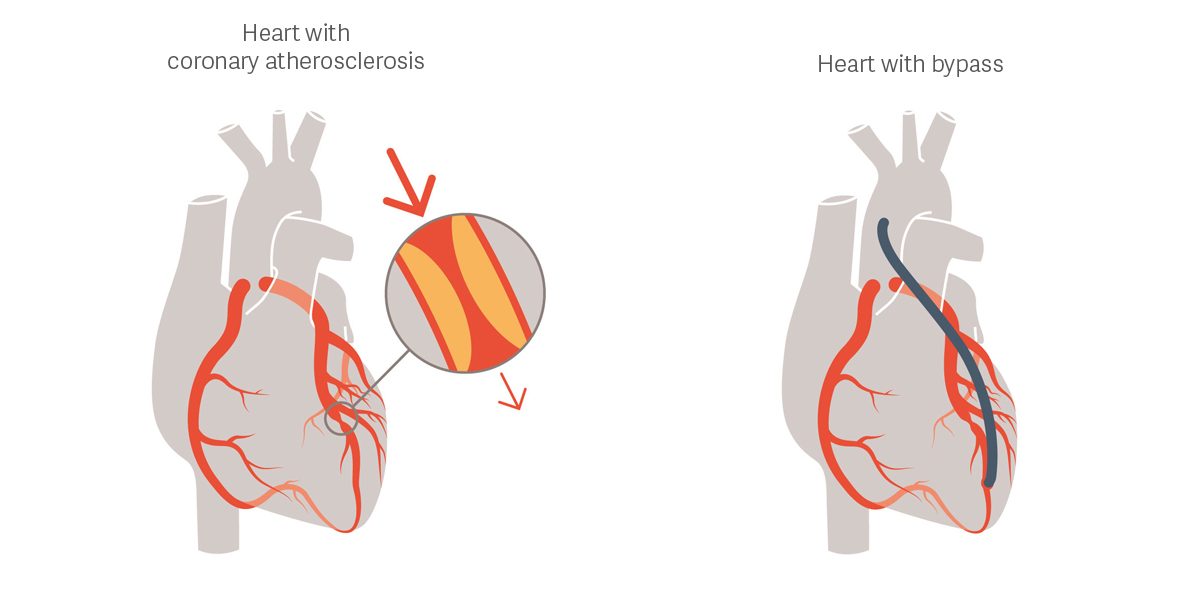
Surgeons take a healthy blood vessel from your leg, arm, or chest and sew it around the blocked heart artery. This safely detours blood flow directly to the heart muscle.
- How long does the recovery take after a bypass surgery?
Hospital stays usually last 5 to 7 days. Most patients return to light activities in 4 to 6 weeks, while a full recovery takes 6 to 12 weeks.
- Can blocked heart arteries be treated entirely without surgery?
Medications and lifestyle changes can manage mild symptoms. However, severe blockages require a physical procedure to restore blood flow permanently and protect the heart from irreversible damage.
- What increases the risk of needing a bypass surgery?
Key risks include a family history of heart disease, high blood pressure, elevated cholesterol, diabetes, and a sedentary lifestyle, which accelerate plaque buildup in your arteries.
- When should I consult a specialist about these symptoms?
Schedule a consultation immediately if you notice chronic chest pressure, sudden shortness of breath, or regular dizziness. Early medical evaluation prevents serious, life-threatening complications.