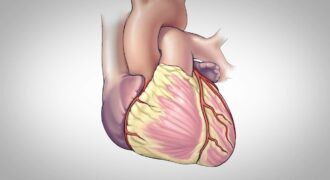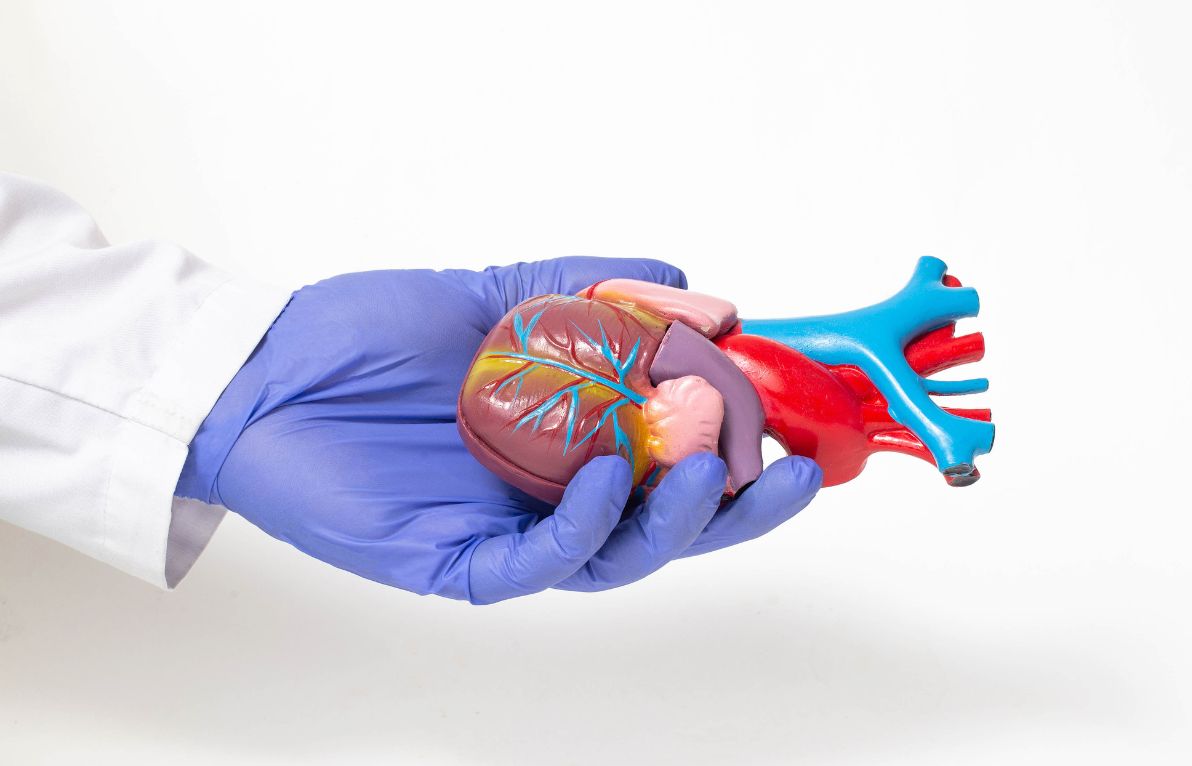
When one or more arteries supplying blood to the heart become severely blocked, a coronary artery bypass graft can be life-saving. These blockages starve the heart muscle of oxygen and, if ignored, can lead to chest pain, heart attacks, or gradual heart failure.
At Dr. Udgeath Dhir’s, patients seeking bypass graft surgery in Delhi NCR go through thorough investigations before any treatment decision is made. The goal is always to find the safest, most effective path forward, and in many cases, timely surgery makes a real difference to both quality of life and long-term survival.
What is Coronary Artery Bypass Surgery?
Coronary artery bypass surgery uses a healthy blood vessel from another part of your body to reroute blood around clogged heart arteries. This restores normal blood flow and relieves chest pain.
Doctors usually recommend this surgery when:
- There are multiple or severe blockages
- Symptoms persist despite medication
- Angioplasty is not suitable or has already failed
- The risk of a future heart attack is high
The earlier these symptoms are caught, the better the chances of avoiding serious complications.
Here is what to watch out for:
1. Repeated Chest Pain or Pressure
Chest pain is the most recognizable warning sign of coronary artery disease. It usually feels like a heaviness, tightness, or squeezing sensation in the chest, often triggered by physical activity or emotional stress. Sometimes the discomfort travels to the arms, neck, jaw, or back.
If chest pain starts happening more often, or begins showing up even at rest, that is a sign the blockage may be serious enough to need surgical evaluation.
2. Shortness of Breath With Simple Activities
Getting winded while walking to the next room, climbing a single flight of stairs, or doing routine chores is not something to chalk up to being “out of shape.” When arteries narrow, the heart struggles to meet the body’s oxygen demand, and that struggle shows up as breathlessness.
Without treatment, this symptom tends to get worse gradually and can start interfering with even the simplest parts of daily life.
3. Persistent and Unusual Fatigue
Everyone feels tired sometimes. But if you are exhausted in a way that sleep and rest simply do not fix, your heart may be working harder than it should. When blood flow is compromised, the body’s cells receive less oxygen than they need, and the result is a kind of deep, persistent tiredness that feels different from ordinary fatigue.
Many people brush this off for months. But when it shows up alongside other symptoms, it deserves medical attention.
4. Irregular Heartbeat or Palpitations
A heart that flutters, races, or skips beats is often reacting to the strain of poor circulation. Some people also feel lightheaded or slightly dizzy during these episodes. Occasional palpitations may be harmless, but when they become a regular occurrence, the heart is telling you something is not right. A proper cardiac evaluation can get to the root of it.
5. Previous Heart Attack or High-Risk Profile
If you have already had a heart attack, the risk of having another one is higher than average. The same applies if you live with any of the following:
- Diabetes
- Hypertension
- High cholesterol
- Obesity
- A long history of smoking
These conditions quietly accelerate artery damage over time. Regular monitoring and early intervention can make all the difference before things reach a critical point.
6. Severe Blockages Not Suitable for Angioplasty
Angioplasty works well in many situations, but it has its limits. It may not be the right choice when:
- Several arteries are blocked at once
- Blockages are long, deep, or structurally complex
- The artery walls have become heavily calcified
- The heart’s pumping function has already taken a hit
It offers more durable results and gives the heart a genuinely better chance at healthy blood flow over the long term.
7. Symptoms Worsening Despite Medication
Medications can manage coronary artery disease up to a point. But if you are taking your prescriptions regularly and still experiencing chest pain, breathlessness, or fatigue, the blockage has likely progressed beyond what medicines alone can handle.
That is usually when surgery becomes not just an option, but a necessity.
When to Seek Expert Help
If any of these symptoms sound familiar, please do not wait. An early consultation with a cardiac specialist can catch problems before they become emergencies.
The key investigations include:
- ECG: Looks at the heart’s electrical activity
- Echocardiography: Examines heart structure and pumping function
- Stress testing: Checks how the heart responds under physical exertion
- Angiography: Maps the exact location and severity of blockages
For patients dealing with both artery and valve problems, experienced valve surgeons in Gurgaon can help design a comprehensive treatment plan that addresses everything together.
Advanced Cardiac Care at Dr Udgeath Dhir’s Clinic
At Dr. Udgeath Dhir’s, no two patients are treated the same way. Every case is individually assessed before a surgical path is recommended, with a strong emphasis on safe outcomes and long-term heart health.
Services include:
- Coronary artery bypass graft surgery (CABG)
- Complex multivessel bypass procedures
- Valve repair and valve replacement surgery
- Aortic and vascular surgery
- Minimally invasive cardiac procedures
- Pre- and post-operative cardiac care
Take the First Step Toward a Healthy Heart
Heart disease creeps in quietly; chest pain, breathlessness, and fatigue are your heart asking for help. When blockages become severe, a coronary artery bypass graft can restore blood flow and meaningfully improve your quality of life. Act early, because timing matters.
FAQs
- How do doctors decide if bypass surgery is needed?
After tests like angiography, ECG, and stress testing reveal severe or multiple blockages that medications and angioplasty cannot adequately manage, doctors will typically recommend bypass surgery as the next step.
- Is bypass surgery risky for patients?
There is always some level of risk with any surgery. That said, bypass surgery is considered safe when performed by experienced cardiac surgeons, and careful pre-operative assessment goes a long way in minimizing complications.
- How long does recovery take after bypass surgery?
Most patients are back on their feet within six to twelve weeks. Recovery time depends on age, overall health, and how closely the patient follows their cardiac rehabilitation program.
- Can lifestyle changes prevent bypass surgery?
Healthier habits; better diet, regular exercise, quitting smoking, and controlling blood pressure or diabetes, can meaningfully reduce the risk. But if blockages are already advanced, lifestyle changes alone are rarely enough.
- When is angioplasty not enough for heart disease?
When blockages are numerous, unusually long, or heavily calcified, angioplasty often cannot deliver reliable long-term results. In those cases, bypass surgery tends to be the more effective and durable solution.