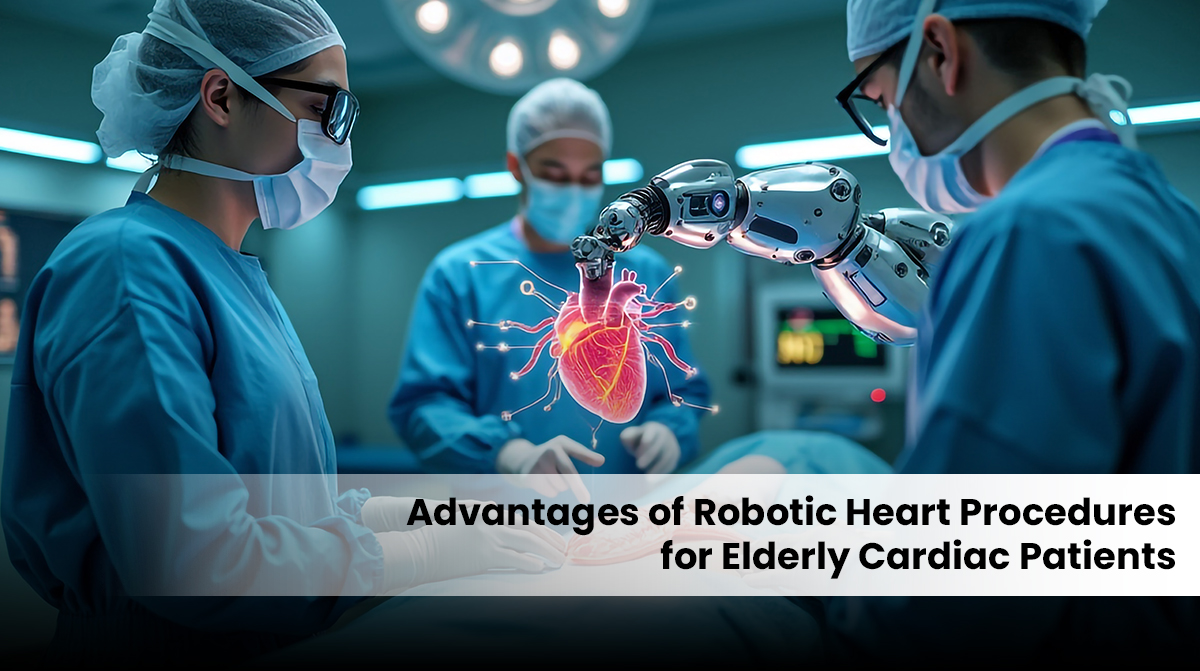
Robotic heart procedures provide elderly cardiac patients with a minimally invasive, highly precise treatment option that significantly lowers surgical risks compared to traditional open-heart surgery. By avoiding a large chest incision and eliminating the need to break the breastbone, this advanced approach minimizes physical trauma, substantially reduces post-operative pain, and curtails bleeding. Consequently, senior patients benefit from drastically shorter hospital stays, a much faster return to their daily routines, and a lower chance of post-surgical complications.
Through the use of a specialized robotic heart platform, surgeons can now perform intricate cardiac operations through tiny, pencil-sized incisions.
Dive through this comprehensive guide to explore why robotic-assisted interventions are rapidly becoming the preferred alternative for the elderly, optimizing safety and long-term health outcomes.
The Shift from Traditional Surgery to Robotic Interventions
Traditional open-heart surgery requires a 6-to-8-inch incision down the center of the chest. While highly effective, the mechanical spreading of the ribs and breaking of the sternum demand months of healing.
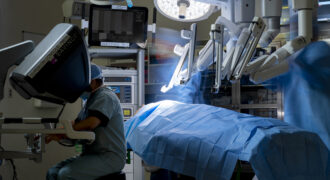
The surgeon operates from a high-tech console, viewing the patient’s cardiac anatomy via a 3D high-definition camera. The robotic arms, equipped with micro-instruments, mimic the surgeon’s hand movements with enhanced dexterity and precision, completely filtering out natural human tremors.
Key Advantages of Robotic Procedures for Elderly Patients
The clinical advantages of this newest technique translate directly into physical benefits for older individuals. The advantages include:
1. Minimal Physical Trauma and No Bone Breaking
The most significant benefit for elderly individuals is the preservation of the skeletal structure. Because the procedure is performed through tiny ports between the ribs, the sternum remains intact. Avoiding a sternotomy drastically cuts down on structural trauma, preventing the deep skeletal pain that typically hinders a senior citizen’s mobility during recovery.
2. Reduced Risk of Serious Infections
Older patients often have weakened immune systems or co-existing conditions like type 2 diabetes, which heighten the risk of deep wound infections. Large chest wounds are susceptible to poor healing and post-operative complications. The micro-incisions used in advanced robotic surgery heal much quicker, minimizing exposure to opportunistic pathogens and significantly lowering infection rates.
3. Minimal Blood Loss and Fewer Transfusions
Blood conservation is vital during geriatric surgeries. Heavy blood loss can stress an aging heart and strain kidney function. The high-definition visualization and absolute precision of robotic instruments allow surgeons to navigate delicate blood vessels with minimal disruption.
4. Shorter Hospitalizations and Intensive Care Stays
Extended stays in an Intensive Care Unit (ICU) can lead to hospital-induced delirium, muscle wasting, and cognitive decline in the elderly. Traditional heart surgery typically requires a week or more of hospitalization. Patients undergoing robotic-assisted procedures are often discharged within 3 to 4 days, allowing them to return to the comfort and safety of their homes sooner.
5. Faster Rehabilitation and Restored Mobility
Early mobilization is key to preventing deep vein thrombosis (DVT) and hypostatic pneumonia in senior citizens. Because post-operative pain is minimal and the chest bone is fully stable, elderly patients can stand, walk, and engage in respiratory physical therapy almost immediately after surgery.
Comparative Overview: Traditional vs. Robotic Surgery for the Elderly
To understand the structural differences between these two medical approaches, consider the comparison table below:
| Feature | Traditional Open-Heart Surgery | Robotic Cardiac Procedures |
| Incision Size | 6 to 8 inches (Median Sternotomy) | 3 to 4 tiny ports (Keyhole approach) |
| Chest Bone Integrity | Cut and mechanically separated | Left completely intact and undisturbed |
| Average ICU Stay | 2 to 4 days | 24 to 48 hours |
| Total Recovery Time | 2 to 3 months | 2 to 4 weeks |
| Risk of Complications | Higher (Infection, non-union of bone) | Significantly lower across all metrics |
| Post-Operative Pain | Severe; requires heavy narcotics | Mild to moderate and easily manageable |
Medical Optimization for Complex Geriatric Cases
Elderly individuals rarely present with isolated heart problems; they often manage a combination of chronic conditions such as chronic obstructive pulmonary disease (COPD), mild kidney impairment, or vascular frailty.
Robotic platforms enable highly experienced operators to perform precise coronary artery bypass grafting (CABG) or complex mitral valve repairs efficiently. The absolute visualization allows the best robotic heart surgeons to complete delicate suturing smoothly, shortening overall operative times and minimizing the physiological stress placed on an aging cardiopulmonary system.
Concluding Remarks
Robotic technology represents a monumental leap forward in treating geriatric cardiovascular conditions. By prioritizing structural preservation, reducing pain, and speeding up recovery times, these advanced procedures provide senior citizens with a safer pathway to a healthier, more active life.
Looking for a complex cardiovascular diseases in later stages of life? It is important to choose an experienced medical team.
Dr. Udgeath Dhir, the Principal Director of Cardiothoracic Vascular Surgery at Fortis Hospital, Gurugram, stands out as a leading expert in this domain. With over 15 years of dedicated experience and a remarkable track record of managing more than 9,000 intricate surgical cases, he brings unparalleled expertise to minimally invasive interventions.
For families seeking advanced, compassionate care, his specialized team utilizes the newest technologies to ensure optimal outcomes and rapid recovery, providing premier options for robotic cardiac surgery in Gurgaon.
Visit our official website for more details and get an appointment now!
Frequently Asked Questions (FAQs)
1. Is robotic heart surgery safe for patients over the age of 70 or 80?
Yes, it is often safer than traditional open surgery for older individuals. It completely avoids breaking the breastbone and minimizes blood loss, it places far less physical stress on an aging body, reducing the overall surgical risk for senior citizens.
2. How long does the recovery process take after a robotic cardiac procedure?
While traditional open-heart surgery requires two to three months of recovery, patients undergoing a robotic procedure can often return to their normal daily activities and light routines within two to four weeks.
3. What types of heart conditions can be treated robotically in elderly patients?
Robotic systems are highly effective for performing coronary artery bypass grafting (CABG), repairing or replacing malfunctioning heart valves (such as mitral or aortic valves), removing cardiac tumors, and correcting specific heart rhythm defects like atrial fibrillation.
4. Will an elderly patient experience a lot of pain after a robotic procedure?
Post-operative pain is drastically lower compared to traditional surgery. Because the ribs are not aggressively spread and the sternum is left untouched, patients report significantly less discomfort, reducing the need for heavy narcotic painkillers that can cause confusion or disorientation in seniors.
5. Can a patient with multiple health issues like diabetes or kidney disease undergo this surgery?
Yes, senior citizens with co-existing conditions like diabetes often benefit the most from robotic surgery. The tiny incisions significantly lower the risk of post-surgical wound infections and healing complications, which are common concerns for diabetic patients.