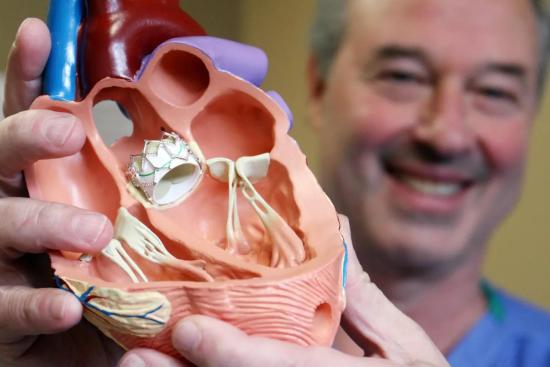
Your heart works nonstop to pump life-giving blood throughout your body. Inside this vital organ, four small valves open and close with perfect timing to keep blood flowing in the correct direction. However, when these valves get damaged or narrow, your heart must work twice as hard to do its job. Recognizing the warning signs early can protect you from sudden health risks and long-term damage. If you notice unusual fatigue or breathing changes, it might be time to look into options for advanced heart valve replacement surgery. Catching these symptoms quickly ensures safer, more effective medical solutions.
Here are five clear warning signs that show you might need a valve replacement before your condition becomes severe.
1. Shortness of Breath During Simple Tasks
Feeling winded after climbing a short flight of stairs or walking a brief distance is not just a sign of aging or being out of shape. When a heart valve narrows, a condition known as stenosis, or leaks, known as regurgitation, it prevents blood from moving smoothly out of your lungs and into your body. This disruption creates a fluid backup that raises pressure in your chest, making it difficult to take a deep, satisfying breath.
At first, you might only notice this breathlessness during heavy workouts or when carrying heavy groceries. However, as the structural damage to the valve advances, even basic daily movements can leave you gasping for air. If you find yourself pausing to catch your breath during casual conversations, light household chores, or even while sitting completely still, your heart is sending a clear warning signal. This persistent lack of oxygen forces your body to work in emergency mode, and ignoring it only increases the strain on your cardiovascular system. Consulting experienced valve surgeons at this early stage can help you evaluate your heart function before the strain on your cardiovascular system becomes critical.
2. Unexplained and Persistent Fatigue
Everyone feels tired after a long day of work, but exhaustion caused by a failing heart valve feels completely different. When a valve fails to open fully or close tightly, less oxygen-rich blood reaches your muscles, brain, and vital organs. As a result, you might feel completely drained of energy even after getting a full night of deep sleep.
Activities that used to feel effortless, such as walking to the mailbox or tidying up a room, can suddenly feel like an uphill battle. This fatigue often builds up slowly over time, leading many people to mistakenly blame it on stress, a busy lifestyle, or getting older. If a constant heavy feeling in your limbs keeps you from enjoying your daily life, your heart is likely struggling to meet your body’s basic energy demands. Resting will not solve this type of exhaustion because the physical blockage inside the heart remains unchanged.
3. Chest Pain, Pressure, or Tightness
Chest discomfort is a serious warning sign that you should never ignore under any circumstances. A malfunctioning valve forces your heart muscle to squeeze much harder to circulate blood through your body. This constant, heavy workload strains the muscle tissues and limits the heart’s own blood supply, triggering a sharp pain, pressure, or a tight squeezing sensation in your chest.
This discomfort often flares up during physical exercise, walking uphill, or moments of high emotional stress when your heart rate naturally goes up. However, as the valve condition worsens, this pain can also happen when you are completely at rest. The tightness can sometimes spread to your neck, jaw, back, or arms. Treating this symptom early is vital because a heart muscle that is constantly starved of oxygen can develop permanent structural damage, making later treatments more complicated.
4. Dizziness, Lightheadedness, or Fainting
If you feel dizzy when you stand up quickly, or if you experience sudden fainting spells, your brain might not be getting a steady supply of blood. A severely damaged heart valve can block or severely restrict the smooth flow of oxygenated blood to your head, causing sudden, dangerous drops in blood pressure.
You might notice a floating sensation, a brief loss of balance, or a feeling that the room is spinning when you exert yourself. Fainting, known medically as syncope, is an urgent signal that a valve issue has reached a critical stage where the heart can no longer maintain safe blood flow to the brain. Seeking prompt advice from expert medical professionals ensures you get an accurate diagnosis before a sudden dizzy spell leads to a dangerous fall or a physical injury. Knowing the exact options for heart valve replacement surgery can give you clarity on how specialists restore normal circulation and protect you before a sudden dizzy spell leads to a dangerous fall.
5. Swollen Ankles, Feet, or Abdomen
When your heart cannot pump blood efficiently due to a faulty valve, blood begins to back up in your veins. This backup increases pressure in the blood vessels, forcing fluid to leak into the surrounding tissues and pool in the lower parts of your body. You might notice that your socks leave deep, painful marks on your ankles, or that your shoes suddenly feel too tight by the end of the day.
This fluid buildup, known as edema, can also cause your stomach to feel bloated, heavy, and swollen. This swelling can lead to sudden weight gain over just a few days as your body holds onto excess water. If left unchecked, this extra fluid places an immense burden on your kidneys and liver, causing further systemic health issues. Early surgical intervention is essential to restore proper fluid balance and relieve the pressure on your organs.
Why Timing Matters for Your Heart Care
Waiting too long to address these five warning signs can cause your heart muscle to stretch, thicken, or weaken permanently. When the heart alters its shape to fight against a faulty valve, it can lead to irregular heartbeats, blood clots, or congestive heart failure. Choosing experienced valve surgeons ensures you receive a thorough evaluation, an accurate diagnosis, and a customized treatment blueprint tailored entirely to your body’s specific needs.
Modern medical advancements have made valve procedures safer, more precise, and highly predictable. Today, specialists often utilize advanced, minimally invasive techniques instead of traditional open surgeries. These modern methods involve smaller incisions, which significantly reduce physical trauma to the body, lower the risk of infection, shorten your hospital stay, and accelerate your overall recovery time. Taking action before your symptoms become severe protects your heart from irreversible failure, restores your natural energy levels, and helps you return to a vibrant, active lifestyle with complete peace of mind.
Schedule A Consultation With Dr. Udgeath Dhir Today!
Protecting your cardiac health requires specialized knowledge, extensive experience, and precise surgical skill. Dr. Udgeath Dhir combines years of advanced cardiovascular expertise with a compassionate, patient-first approach to help you reclaim your health and vitality. Our dedicated medical team uses state-of-the-art diagnostic tools, such as advanced echocardiograms, to evaluate your symptoms and craft a highly effective treatment plan tailored specifically to you.
Do not wait for mild chest discomfort, unusual breathlessness, or persistent fatigue to turn into a major, life-threatening health crisis. Taking an early step ensures a smoother treatment path and a much faster return to your regular routine. Visit our official website to learn more about the top-tier heart valve surgery in Gurgaon options and book your personal consultation today to give your heart the expert care it truly deserves.
FAQs
- What actually happens during a heart valve replacement procedure?
Surgeons remove your damaged valve and replace it with a new one. This new valve can be mechanical or made from natural tissue, restoring normal, healthy blood flow.
- How long does it take to fully recover from this operation?
Most patients return to light activities within four to six weeks. A full recovery typically takes a few months, depending on your overall health and the surgical method used.
- Are there non-surgical alternatives for treating a damaged valve?
Medications can manage your symptoms and fluid buildup for a while. However, a physical valve problem usually requires a procedure to fix the underlying structural damage permanently.
- What causes a heart valve to stop working properly?
Valves can wear down due to age, calcium buildup, or past infections. Some people are also born with irregularly shaped valves that naturally weaken over time.
- When is the right time to speak with a specialist?
Schedule a consultation the moment you experience persistent chest pain, unusual shortness of breath, or regular dizziness. Early evaluation prevents serious, life-threatening complications down the road.