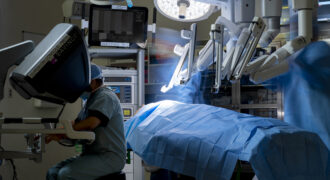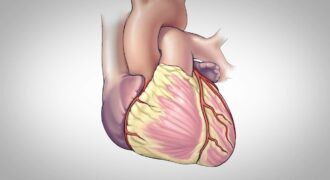
What Conditions Can Be Treated With Robotic Cardiac Surgery?
Robotic methods are frequently evaluated for appropriate candidates undergoing specific types of cardiac procedures. Repairing the mitral valve stands out as a well-established application, though select interventions addressing the tricuspid valve, atrial septal defects, heart tumors, and coronary bypass operations can also be executed via robotic or minimally invasive methods.The appropriateness of this technique hinges on the exact medical condition and the surgical intervention needed. Take someone dealing with a single mitral valve problem: their medical assessment looks completely different from a person who requires several heart operations at the same time. Because of this, having a specific cardiac diagnosis doesn’t automatically mean a robotic procedure is right for you. Locking down every anatomical and physiological detail beforehand guarantees that the medical team can commit to a specialized procedure with total confidence.Is Robotic Surgery Suitable For Every Heart Patient?
Rigorous patient selection forms a cornerstone of planning robotic cardiac procedures. Physicians carefully evaluate the nature and severity of the cardiovascular disease, past medical and surgical background, cardiac performance, vascular architecture, and the intricacy of the proposed operation. Diagnostic evaluations like echocardiograms, computed tomography scans, and cardiac catheterizations are often deployed as needed.That exact reason is why patients should never select a surgical method merely on the basis of smaller incision sizes. The primary medical objective remains choosing the strategy that treats the underlying cardiac condition safely and effectively.Can Robotic Surgery Be Used For Coronary Bypass?
Eligible individuals requiring coronary artery bypass grafting may be evaluated for robotic or minimally invasive options. Nevertheless, eligibility relies heavily on the specific site and severity of the vascular blockage, the count of blocked vessels, and whether concurrent procedures are necessary. As a result, a comprehensive cardiac assessment is mandatory prior to finalizing the surgical plan. Patients must recognize that a minimally invasive or robotic bypass is not universally superior to traditional open-heart surgery. At the end of the day, the most effective strategy is the one that secures superior therapeutic outcomes while keeping your unique physical build and general health front and center. Individuals searching for top robotic surgeons should consequently prioritize targeted experience performing the exact procedure they need, rather than relying solely on a practitioner’s general prestige. Expertise in rigorous patient selection and navigating diverse intraoperative scenarios also represents a vital factor to consider.What Tests Help Determine Candidacy?
Prior to evaluating a robotic intervention, the cardiac care team often orders a series of diagnostic investigations. These may include:- Echocardiography to assess heart structure and function
- CT imaging to evaluate relevant anatomy and blood vessels
- Cardiac catheterization or coronary angiography when indicated
- Additional imaging based on the suspected condition
- A review of previous medical and surgical records
What Should You Consider When Choosing A Robotic Cardiac Surgeon?
Robotic operations demand specialized competencies alongside robust clinical team expertise. When assessing top robotic surgeons, individuals need to look past broad credentials and instead weigh their hands-on background with the exact robotic procedure under evaluation. Important questions include:- How frequently does the surgeon perform the relevant procedure?
- Is the surgical team experienced with robotic techniques?
- Does the hospital have appropriate cardiac surgery and critical-care facilities?
- What investigations are used to determine candidacy?
- What are the alternatives if robotic surgery is not appropriate?
- How will recovery and follow-up care be managed?
Making The Right Choice For Your Cardiac Care
Deciding on robotic cardiac surgery must hinge on your specific cardiovascular diagnosis, overall wellness, diagnostic findings, and the expert guidance of your care team. No two bodies are built the exact same way. Diving into a thorough clinical evaluation eliminates the guesswork, making sure your surgical plan is dictated by your actual physical health rather than a trendy preference.Navigating heart treatment is tough. Fortunately, specialists like Dr. Udgeath Dhir bridge the gap by mastering both classic open-chest surgeries and advanced robotic techniques. That versatility changes everything. Instead of dealing with rigid cookie-cutter plans, you get personalized guidance that cuts through the confusion, helping you and your family land on a confident choice grounded in your actual medical reality.Robotic cardiac surgery only stays on the table if your specific heart issue and physical build actually support a smaller incision. Surgeons won’t make the final call until they’ve put you through a deep-dive cardiac workup.
When evaluating top robotic surgeons, look closely at their track record with your exact procedure, their broader cardiovascular surgical background, the hospital’s infrastructure, and the full range of treatment options they offer.
Robotic surgery may offer benefits for selected patients, but safety depends on the procedure, individual health, and surgical circumstances. Your cardiac team can explain the risks and alternatives.
Consulting a top cardiologist in Delhi NCR can help with diagnosis, treatment planning, and referral to a cardiac surgeon when surgery may be required.
No. Previous surgeries, anatomy, disease complexity and other health factors can affect eligibility. A cardiac surgeon must assess the individual case before recommending a robotic approach.