
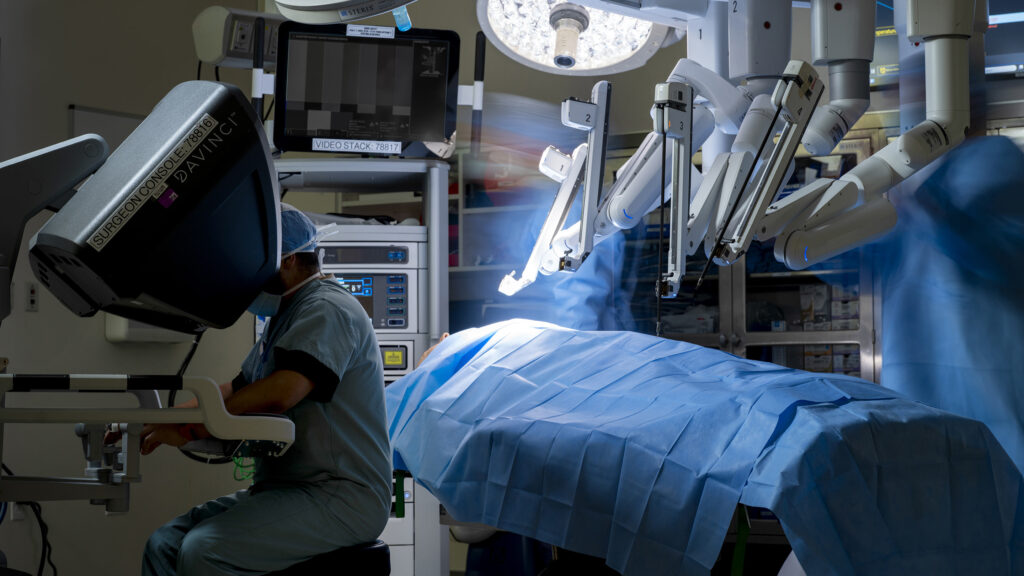
Learning that you need heart surgery naturally brings questions, especially about whether open-heart surgery is necessary or if a less invasive option may be suitable. For patients exploring minimally invasive robotic surgery in Noida, understanding who may qualify is an important first step before considering this approach.
Robotic surgery uses specialized instruments controlled by the surgeon through a console, allowing access to the heart through smaller incisions rather than opening the chest. However, it is not suitable for every patient. Your medical history, heart condition, anatomy, previous surgeries, and overall health help your surgeon determine whether robotic surgery is an appropriate option.
What Is Minimally Invasive Robotic Cardiac Surgery?
Minimally invasive robotic heart surgery is a refined technique designed for targeted cardiac conditions. Instead of a large sternotomy incision, surgeons access the heart through small incisions using specialized robotic instruments.
The robotic system never operates independently; it lacks autonomous programming and acts entirely as an extension of the surgeon’s hands, translating precise movements in real time.
Surgeons commonly consider this method for specific valve repairs and coronary artery procedures. However, high-tech tools are not suitable for every patient, as surgical planning ultimately depends on your specific diagnosis and necessary treatment steps.
How Do Surgeons Decide If You Are a Candidate?
Determining eligibility for robotic cardiac surgery involves far more than a single lab test. Cardiac specialists evaluate several key clinical variables together when tailoring their recommendations:
- Type of Heart Condition: Your diagnosis dictates the surgical approach. While robotic methods excel at isolated valve repairs or specific bypasses, complex aortic repairs or multi-vessel disease typically require conventional access.
- Chest and Cardiac Anatomy: Surgeons use advanced imaging such as echocardiograms, CT scans, or MRIs to map your heart and chest structure, ensuring your physical proportions allow safe navigation for robotic arms.
- Previous Heart Surgery: Prior operations create scar tissue and anatomical shifts that complicate entry points. A history of cardiac surgery requires careful review of past operative records, though it does not automatically rule out a robotic approach.
- Overall Health Profile: Co-existing medical conditions, kidney function, current medications, and stamina heavily influence surgical decisions. Because health profiles differ, two patients with the same diagnosis may receive completely different treatment recommendations.
- Procedure Complexity: Robotic tools are suited for detailed, specific repairs. If your condition requires extensive structural work demanding broader visual exposure, your surgeon will recommend a traditional open approach instead.
Ultimately, choosing between robotic and open-heart surgery depends on finding the technique that offers the highest level of safety and long-term success for your specific condition.
Which Procedures May Involve a Minimally Invasive Approach?
When doctors discuss minimally invasive heart surgery in Noida, they are referring to various techniques rather than a single fixed procedure. Minimally invasive coronary and valve interventions form the core of this surgical category.
Comprehensive cardiac surgical care encompasses a broad spectrum of procedures, including:
- Coronary artery bypass grafting (CABG)
- Valve repair and replacement
- Aneurysm repair
- Atrial fibrillation surgery
- Pulmonary embolectomy and endarterectomy
- TEVAR and TAVI
- Septal myectomy
- Heart failure surgery
Not all these procedures utilize robotic arms or tiny incisions. Selecting the right method requires matching the exact procedure to your personal physical condition.
How Does Heart Failure Affect Surgical Planning?
Heart failure has various causes, so treatment depends on each patient’s condition, including tailored medications, lifestyle changes, and heart failure procedures in Noida. A thorough assessment helps determine the right treatment approach.
- Targeted Interventions: Procedures in Noida include bypass grafting, valve repair or replacement, and rhythm stabilization to reduce cardiac strain.
- Advanced Options: Complex cases may require ventricular assist devices (VADs) or heart transplantation.
- Root Cause Strategy: Treatment focuses on identifying the underlying cause of heart weakness rather than simply choosing a robotic approach.
Rather than focusing solely on whether robotic surgery is viable, your medical team prioritizes selecting the surgical option that delivers the most effective, long-term improvement in heart function.
When Might Robotic Surgery Not Be Suitable?
Even if a specific condition can technically be treated with robotic assistance, it may not be the safest choice for every individual patient. A surgeon will typically recommend a traditional or alternate technique when:
- The complexity of the required repair exceeds what can be safely achieved through small ports.
- Chest anatomy or vascular structures make robotic maneuvering difficult or risky.
- The cardiac disease is widespread and requires a broader surgical view.
- Existing scar tissue from past surgeries restricts clear access.
- Patient safety considerations indicate that a traditional approach offers a higher probability of success.
Choosing a traditional surgical route over a robotic one is not a compromise in quality. It simply means choosing the safest and most effective tool for your exact physical needs.
What Happens During a Surgical Consultation?
A face-to-face consultation gives your cardiac team the opportunity to review your symptoms, diagnostic tests, and health background in detail. During this visit, your surgeon will guide you through:
- Diagnostic Findings: Explaining what is happening inside your heart and how far the condition has progressed.
- Available Options: Outlining both surgical choices and non-surgical management pathways.
- Access Methods: Explaining whether a minimally invasive or robotic approach is viable for your surgery.
- Safety and Risks: Discussing specific factors that could influence your procedural outcomes.
- Alternative Routes: Reviewing why conventional surgery might offer a safer or more lasting fix.
- Recovery Expectations: Detailing what your healing journey will look like in the days and weeks following surgery.
Cardiac Surgical Care With Dr. Udgeath Dhir
Dr. Udgeath Dhir specializes in complex cardiac care, focusing on minimally invasive and robotic heart surgery, CABG, valve repairs and replacements, aneurysm corrections, heart failure interventions, and procedures like TEVAR, TAVI, and septal myectomy.
The clinical practice centers on individualized care, combining advanced expertise in structural repairs with rigorous safety evaluations. Rather than using a one-size-fits-all approach, Dr. Dhir assesses diagnostic imaging, general health parameters, and personal goals to chart the safest surgical route. If you need heart surgery, scheduling a clinical consultation with Dr. Dhir offers clear, personalized guidance on whether a minimally invasive path suits your needs.
Ideal candidates are selected after a cardiac surgeon thoroughly evaluates their specific heart condition, physical chest anatomy, overall health status, and technical surgical requirements to ensure complete procedural safety.
No, robotic surgery is reserved for specific procedures. Eligibility depends on your exact diagnosis, physical chest structure, the complexity of the operation, and individual surgical risk factors.
Surgeons typically review detailed echocardiograms, specialized CT scans, cardiac MRIs, and angiograms. These imaging tests reveal your heart’s precise anatomical layout to guide safe surgical planning.
Yes, prior operations introduce scar tissue and anatomical shifts that alter surgical access. While careful evaluation is necessary, past surgery does not automatically rule out a robotic approach.
Not necessarily, robotic technology is simply one approach. The best choice is always the technique that offers the safest, most effective, and most durable outcome for your health profile.