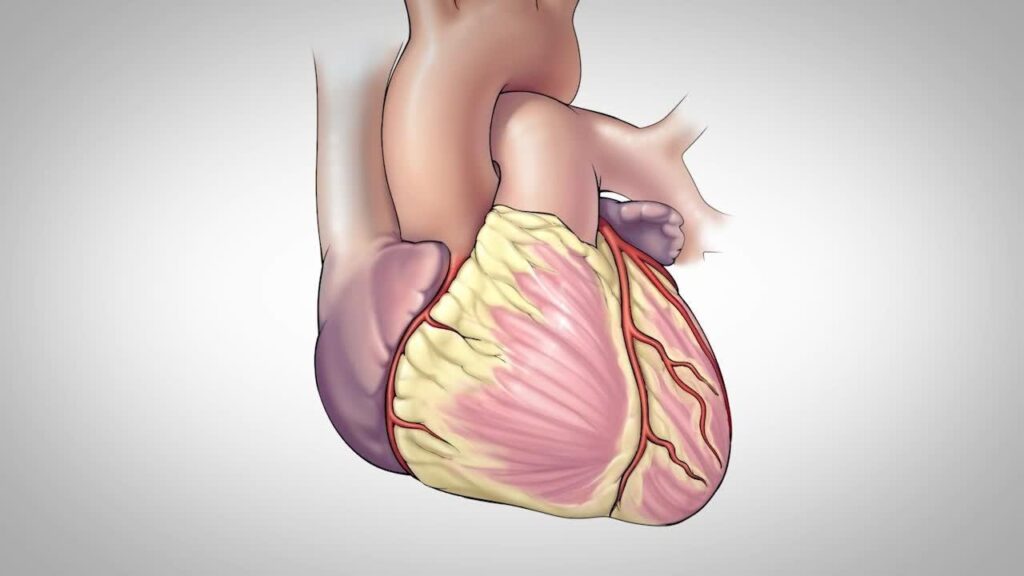
Heart bypass surgery can feel completely different depending on your age, health, and daily routine. Worldwide, surgeons perform more than a million heart bypass procedures every year, each using grafts to reroute blood around blocked arteries. A younger patient might be thinking about getting back to work, while an older adult may be more focused on recovery, other health issues, or simply staying independent. So what should patients actually expect from CABG surgery at different stages of life?
The answer isn’t really about age alone. Doctors look at the severity of coronary artery disease, overall health, heart function, other medical conditions, and how well a person is likely to handle surgery. Understanding these factors can help patients and families go into bypass surgery with a clearer, more realistic picture of what lies ahead.
What Does Heart Bypass Surgery Actually Do?
CABG surgery creates a new path for blood to reach the heart muscle when coronary arteries become narrowed or blocked. During the procedure, surgeons take a healthy blood vessel and use it to build a bypass around the affected artery, restoring blood flow to the heart.
Coronary artery disease develops when plaque slowly builds up inside the arteries that supply blood to the heart. Once these arteries become significantly narrowed, patients may notice chest pain, breathlessness, or reduced stamina during everyday activities. In some cases, multiple or severe blockages make bypass surgery the right treatment option.
Surgeons may use blood vessels from different parts of the body to create artery bypass grafts, including the internal mammary artery, radial artery, or saphenous vein.
Does Age Change What Patients Can Expect From CABG Surgery?
Age can shape how surgery is planned and how recovery unfolds, but it doesn’t determine on its own whether someone is fit for CABG. A patient’s heart function, general health, other medical conditions, and overall fitness matter just as much.
Younger Adults: Focusing On Recovery And Returning To Routine
Younger patients tend to focus on getting back to work, family life, and physical activity as quickly as possible. That said, being younger doesn’t automatically mean recovery will be fast or smooth.
The medical team will still check heart function, the extent of coronary disease, and conditions such as diabetes, high blood pressure, or obesity before recommending surgery.
Middle-Aged Patients: Balancing Heart Health With Everyday Responsibilities
For patients in their 40s, 50s, or 60s, bypass surgery often brings up practical concerns around work, family, and long-term lifestyle changes. Recovery may mean temporarily easing off physical workload while gradually building strength back up.
This stage is also a good time to address the habits that contributed to coronary artery disease in the first place, including smoking, high cholesterol, poor diet, inactivity, and uncontrolled blood pressure.
Older Adults: Looking Beyond Age
Older patients often live with other health conditions alongside coronary artery disease, such as diabetes, kidney problems, lung disease, or reduced mobility.
That doesn’t automatically rule out surgery. Instead, doctors take a closer look at overall health, functional capacity, current medications, and the ability to recover well. The goal is always to weigh the real benefits and risks for that specific person, not just their age on paper.
What Factors Matter More Than Your Age?
A patient’s overall health usually matters more than age when planning bypass surgery. Doctors typically evaluate several factors before recommending treatment:
- Severity and location of coronary artery blockages
- Heart pumping function
- Previous heart attacks or cardiac procedures
- Diabetes and blood pressure
- Kidney and lung function
- Physical fitness and mobility
- Current medications
- Previous surgeries or medical conditions
- Ability to participate in rehabilitation
This is exactly why two people of the same age can walk away with very different treatment recommendations.
How Are Artery Bypass Grafts Selected?
Artery bypass grafts are chosen based on the patient’s anatomy, the location of coronary blockages, and the surgeon’s judgment about which vessels will work best for each target artery.
Common graft sources include:
Internal Mammary Arteries
Located in the chest, these are widely used in coronary bypass procedures because they tend to suit certain coronary targets particularly well.
Radial Artery
Found in the forearm, the radial artery may be considered as a graft option in selected patients after a proper assessment.
Saphenous Vein
Running through the leg, the saphenous vein can also be used to build a bypass around blocked coronary arteries.
The choice comes down to the individual patient rather than a simple rule based on age.
What Is Recovery Like After CABG Surgery?
Recovery generally happens step by step, starting with close hospital monitoring and moving toward increasing activity, medication management, and cardiac rehabilitation. The exact timeline depends on the patient’s health, the type of surgery, and how they’re progressing.
The First Few Days
Patients are closely watched after surgery, often starting in intensive care. Tubes and monitoring equipment are gradually removed as the patient stabilizes.
The Following Weeks
At home, the focus shifts to wound care, medications, light activity, and getting enough rest. Patients are usually advised to build activity back up slowly rather than jumping straight into their old routine.
The Following Months
Cardiac rehabilitation helps patients rebuild strength safely and learn practical habits for long-term heart health. Returning to work, exercise, and other activities should always be discussed with the treating medical team first.
Can Heart Bypass Surgery Help Patients With Heart Failure?
CABG surgery can be part of heart failure treatment when coronary artery disease is contributing to reduced heart function and the patient is a good candidate for revascularization. It isn’t something every heart failure patient needs.
Heart failure can stem from several causes, including coronary artery disease, valve problems, and other conditions affecting the heart muscle. Depending on the underlying cause, treatment might involve medications, lifestyle changes, devices, valve procedures, bypass surgery, or other advanced interventions.
The real point here is that heart failure treatment needs to target the actual reason the heart is struggling, not follow a one-size-fits-all approach.
What Can Patients Do To Support Recovery?
A successful bypass operation is only part of the long-term picture. Patients can support their own recovery by sticking to their treatment plan and making lasting lifestyle changes:
- Take prescribed medicines as directed
- Attend follow-up appointments
- Participate in cardiac rehabilitation when recommended
- Follow a heart-friendly eating pattern
- Avoid smoking
- Gradually return to physical activity
- Manage conditions such as diabetes, blood pressure, and high cholesterol
These changes matter a great deal since CABG treats existing blood-flow problems but doesn’t remove every underlying risk factor for coronary artery disease.
Choosing Personalised Care For Your Heart
There’s no single recovery story that fits every bypass patient. Age gives useful context, but the real picture comes from understanding your heart condition, overall health, and individual treatment needs.
For anyone advised to consider bypass surgery, talking through the reason for surgery, the available options, expected recovery, and long-term care with an experienced cardiac surgeon can make the whole process much easier to understand.
Take The Next Step Towards Better Heart Care With Dr. Udgeath Dhir
Dr. Udgeath Dhir is a cardiothoracic vascular surgeon with over 15 years of experience and has handled more than 9,000 complex surgical cases. His expertise spans CABG, valve repair and replacement, aortic surgery, heart failure surgery, minimally invasive cardiac procedures, and advanced cardiac care.
His approach centers on understanding each patient’s condition before deciding on the most appropriate surgical strategy, which matters especially for patients of different ages, since medical history, heart function, and other health considerations all shape the treatment plan.
At Dr. Udgeath Dhir’s practice at Fortis Memorial Research Institute, Gurugram, patients can access specialised cardiac surgical care backed by advanced treatment approaches. His areas of expertise include robotic and minimally invasive cardiac surgery, CABG, valve surgery, aortic procedures, LVAD, and heart transplantation. If you or a family member has been advised to consider bypass surgery, a consultation can help you understand your diagnosis, treatment options, and what recovery may realistically look like for your specific situation.
Age alone doesn’t determine surgical suitability. Doctors assess overall health, heart function, other conditions, and potential benefits before recommending CABG.
Recovery varies from patient to patient. Many people gradually resume everyday activities over several weeks, while full recovery and rehabilitation can take longer.
Surgeons may use blood vessels from the chest, arm, or leg, depending on the patient’s anatomy and the coronary arteries that need bypassing.
It can help selected patients when coronary artery disease is contributing to heart failure. Treatment depends on the underlying cause and individual clinical assessment.
Not necessarily. Treatment depends on the number and severity of blockages, symptoms, heart function, and overall health. Some patients may have other treatment options available to them.