Dr. Dhir

Blogs

Home/Blogs
cabg bypass surgery
April 7, 2025

The standard medical treatment for reduced coronary artery blood flow or restricted coronary arteries includes coronary artery bypass grafting (CABG) to enhance heart circulation. The knowledge about future events helps reduce anxiety while improving surgical outcomes for patients or their family members undergoing CABG bypass surgery. Before coronary artery bypass grafting surgery, patients must learn about these essential points which this detailed document explains in full. Understanding Your Diagnosis Seeking to know the rationale behind your doctor recommending CABG surgery stands as the crucial first step on your healing path. Heart muscles obtain their blood supply through the coronary arteries. The arteries supplying your heart receive reduced oxygen supply and nourishment from fatty plaques named plaque which cause either blockage or tightening. A person with coronary artery disease experiences breathing difficulties as well as heart attacks that lead to chest discomfort. CABG surgery creates alternative blood flow routes through the use of blood vessels harvested from non-critical body areas. Your physician has explained this procedure offers the most promising way to improve your heart function and quality of life. Selecting Your Healthcare Team The selection of qualified medical staff ensures CABG surgery's achievement of successful outcomes. You will receive care from four specialist teams consisting of a heart expert cardiologist, performing cardiac surgeon, operating anesthesiologist and pre- and post-treatment nursing staff. Never be afraid to inquire about your surgeon's background doing CABG surgeries. Numerous hospitals make available their information on complications and success rates for heart surgery. Recuperation is greatly …

minimally invasive surgery
March 28, 2025

Few developments in contemporary medicine have had such a profound impact on patients as minimally invasive surgery. Those who require surgical intervention now have a far better experience because of these advanced methods, which have completely changed the way surgeons approach surgeries. Large incisions and protracted recuperation times are gradually disappearing in favor of precise, focused procedures that respect the body's natural architecture and successfully treat medical disorders. Smaller Incisions Mean Less Visible Scarring   Large incisions are usually necessary for traditional open surgery, which can leave the body with obvious scars. These scars frequently serve as enduring memories of a medical difficulty encountered. However, minimally invasive methods inject specialized equipment and cameras through tiny incisions, sometimes as small as millimeters. For surgeries on visible body parts, it might be especially crucial that these tiny entrance sites heal more thoroughly and leave fewer scars. The visual benefit of scarcely noticeable scars is a huge psychological boost for many patients, particularly those who are worried about their body image following surgery. It enables them to go on without continual obvious reminders of their medical experience. Reduced Pain During Recovery   Patients must frequently deal with pain as their main challenge during postoperative recovery. Surgical patients often need medication with adverse effects in order to control persistent pain resulting from standard open surgery procedures. The minimal trauma generated through minimal invasive procedures results in strong reduction of postoperative discomfort. The surgeon creates small incisions instead of making large openings that separate muscle …

pulmonary endarterectomy
March 16, 2025

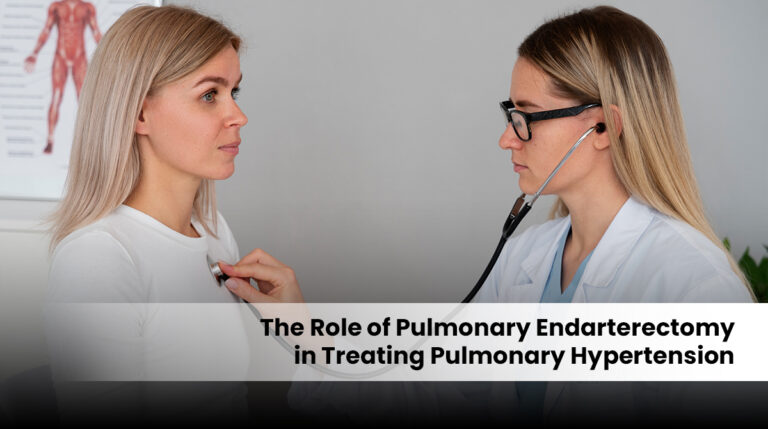
The serious condition known as pulmonary hypertension compromises the lungs' arteries, which raises the blood pressure of the pulmonary circulation. One kind of pulmonary hypertension, known as chronic thromboembolic pulmonary hypertension (CTEPH), is characterized by recurring blood clots blocking the pulmonary arteries. Among the many reasons for pulmonary hypertension is this particular kind of condition. Often referred to as a PEA, a Pulmonary Endarterectomy removes obstructions in the pulmonary artery, therefore restoring normal blood flow and significantly enhancing patient outcomes after quite successful surgical operations.  The important role pulmonary endarterectomy surgery plays in treating pulmonary hypertension, its technique, advantages, and long-term effects are discussed in this blog. Recognizing Pulmonary Hypertension and Its Effects A progressive disorder, pulmonary hypertension strains the heart and lowers bodily oxygen supply. Rising pressure in the pulmonary arteries over time causes the right side of the heart to work harder, maybe resulting in heart failure. A kind of pulmonary hypertension, CTEPH results from blood clots not fully dissolving and creating fibrotic debris blocking the arteries. This disorder may drastically impair a patient's physical activity and lower life expectancy without care. Timeliness in diagnosis and suitable therapy depends on an awareness of the degree of pulmonary hypertension. A Life-saving Operation: Pulmonary Endarterectomy A specialist surgical operation meant to remove fibrotic tissue from the pulmonary arteries and persistent blood clots is a pulmonary endarterectomy. This helps to restore normal blood flow and greatly lowers pulmonary artery pressure. PEA offers a possible cure for CTEPH, unlike other therapy choices …

Winter recovery guide after Septal Myectomy surgery
February 27, 2025

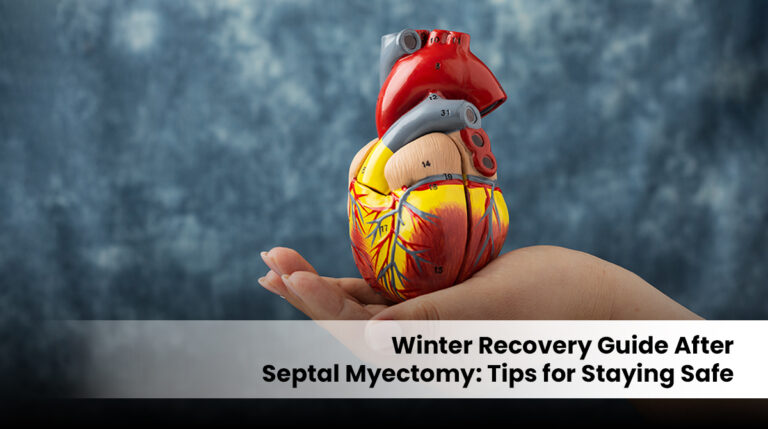
  Winter recovery following a septal myectomy poses particular difficulties that call for extra care and attention. This thorough book lays out crucial tactics to safeguard your well-being and guarantee a speedy recovery over the winter months. Master Temperature Transitions Carefully People recuperating from septal myectomy may find sudden temperature swings very difficult. Take your time acclimating your body to the cold outdoors after spending time in hot interior environments. It is wise to stay in transitional spaces such as garages or entryways briefly before facing major temperature differences. A recovery room humidifier protects your respiratory system from dry air which could indirectly affect your heart functions. Draft stoppers and weather stripping applied to your home doors and windows will maintain interior temperature stability while car heaters should preheat your vehicle before stepping inside. This method of adjusting the temperature gradually lessens the strain on your mending heart and lowers the possibility of problems while you're recovering. Create a Winter-Specific Recovery Space Your healing process might be greatly impacted by setting up a special rehabilitation space that tackles winter-specific issues. The ideal location for your bed or recovery chair should be next to sunlight yet out of the cold drafts coming from windows. Select an area with good ventilation that contains necessary items such as water and medications as well as emergency contact information. Breathable warm blankets should be used to regulate body temperature when the weather is cold. To prevent needless bending or stretching, keep essentials within arm's reach. …

atrial fibrillation surgery
February 18, 2025

It takes extra care to live with atrial fibrillation and recover from associated surgery, especially in the chilly winter months. After atrial fibrillation surgery, this thorough article will help you learn how to take care of your heart and stay healthy during the winter. Stay Warm and Bundle Up Appropriately Heart functions require additional effort for temperature regulation because of seasonal body pressure changes. It is crucial for heart patients who underwent atrial fibrillation surgery to pay close attention to body heat regulation. Begin with waterproof outer clothes followed by middle warm layers and finish with thermal underwear as main layers. Colder temperatures trigger blood vessels to contract thus affecting your heart rhythm so protect your extremities by wearing insulated gloves with thick socks and a warm cap. Begin your day by warming up inside until your body adjusts to the external climate changes before you step outdoors.  Maintain a Regular Exercise Routine Indoors Your winter routine for cardiac rehabilitation requires proper modifications to your workout program. Indoor exercise provides controlled spaces where people can stay active which makes them a suitable choice for this season. Your healthcare professional will guide you to start walking on a treadmill or using a stationary bicycle before you grow your exercise time and intensity. Practice exercise types that do not stress your joints while keeping your heart rate in the therapeutic zone of 50 to 75 percent of the maximum heart rate according to your current recovery stage. Normal stretching techniques should be …

Aneurysm Repair Surgery
February 8, 2025

Recovery from Aneurysm Repair Surgery needs special attention, particularly during winter. Cold weather can add extra strain on the heart and blood vessels, and hence extra care needs to be taken about a heart-friendly diet. Post-surgery, proper vascular health needs to be maintained to prevent complications and promote healing. Proper nutrition will maintain proper blood pressure, immune system strengthening, and overall cardiovascular health. Incorporating heart-healthy food and excluding unhealthy food will decrease inflammation and keep the arteries open. This article describes the best diet advice for patients during Aneurysm Repair Surgery and how they can recover easily with the best cardiac health.   The Importance of a Balanced Diet after Aneurysm Surgery: Once patients have undergone open aneurysm repair, the body needs a steady supply of nutrients to help heal. It is not something that can be achieved promptly following extensive vascular surgery; diet also helps speed up the healing process. Eating foods with higher nutrient content can help develop healthier blood vessels and circulation, and reduce the likelihood of forming surgical complications. The food should be a mixture of entire foods containing vitamins, minerals, and healthy fats. They assist in keeping the blood vessels elastic, lowering inflammation, and avoiding clogging. As the metabolism gets slower during winter, food needs to be consumed which aids in digestion and maintains the heart healthy. Excessive consumption of packed food, fried food, and high-sodium food needs to be avoided to avoid cholesterol and blood pressure levels. Nutritional Needs during winter for Heart Health: …

cabg bypass surgery
January 22, 2025

Heart health has particular difficulties throughout the winter because of the intricate interactions between physiological reactions and lifestyle modifications brought on by the cold, which can have a major effect on cardiovascular health. Winter presents a number of dangers to heart health, ranging from the body's natural responses to low temperatures to seasonal dietary changes and a decline in physical activity. Maintaining cardiovascular health throughout these trying months requires an understanding of these dangers and the function of medical procedures like cabg bypass surgery. This thorough blog explores essential elements that link heart health, winter, and surgical procedures. The Cold Weather's Impact on Blood Vessels Blood vessels react significantly to the lowering temperatures as winter sets in. In order to maintain its internal temperature to prevent our core from dropping, the body's natural response is to constrict these important channels, something called vasoconstriction. It is like trying to put more water into a pipe; the same amount of blood has to get through a smaller hole. As a consequence, the heart gets to pump blood to all parts of the body, thus raising blood pressure and exerting pressure on the heart's fundamental duties of pumping blood to all parts of the body. Such added pressure may be extremely straining for people with heart difficulties or blocked arteries. Combined with the cold this increases the risk as it also slightly thickens the blood and raises the risk of forming clots.  Winter's Effect on Physical Activity Patterns Daily habits and levels of …

robotic cardiac surgery in Gurgaon
January 14, 2025

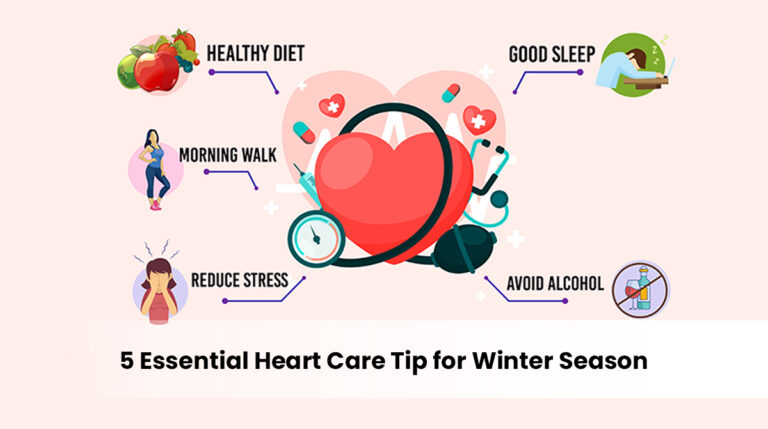
Wintertime presents unique challenges for our cardiovascular health, requiring more attention and heart care. When the weather is colder the natural process of heating up continues to slow down and retaining warmth requires the exertion of more energy on the cardiovascular system. Cold climates can affect heart health and the tendency toward different diets, as well as less mobility during the winter season. From traditional treatments to advanced procedures like robotic cardiac surgery, it is necessary to comprehend and follow the proper heart care protocols in order to maintain optimal cardiovascular function throughout the winter months. Whether you currently have heart problems or simply want to protect your heart's health, these important tips will help you navigate through the winter with a strong and healthy heart. Stay Active with Indoor Exercise Routines Maintaining an active lifestyle becomes more difficult when the cold of winter makes outdoor activities less enticing. Nonetheless, throughout these colder months, regular exercise is still essential for heart health. Think about setting up a special indoor workout area where you can conduct bodyweight exercises, yoga, and stretching. You may keep your heart rate up with easy exercises like dancing to your favourite music, going up and down stairs, or watching fitness videos. Even simple domestic tasks like cleaning, sweeping, and room reorganization may add to your regular physical activity. The secret is to exercise your body for at least half an hour every day, or more if necessary. Keep in mind that consistency is more important than …

best cardiologist in Gurgaon
January 9, 2025

Winter presents special difficulties for cardiac health as its frigid temperatures envelop our surroundings. Understanding and putting into practice appropriate care routines is essential since the chilly embrace of the season can have a substantial influence on our cardiovascular system. The best cardiologist in India stresses that the body's natural reaction to cold weather is the main reason why heart-related occurrences noticeably rise throughout the winter months. This thorough blog provides helpful tips and crucial tactics to safeguard and care for your heart throughout the winter, based on the opinions of top cardiac physicians in India. These professional-backed suggestions can assist you in successfully navigating the seasonal hurdles, regardless of whether you already have heart issues or just wish to maintain excellent heart health. Understanding Why Winter Affects Your Heart To maintain heat, the blood vessels in the body constrict, particularly in cold climates, hence increasing blood pressure and the workload on the heart. During winter, cold makes our coronary arteries narrow, and our blood tends to thicken and become clot-prone. This combination of circumstances can be the reason why the number of heart-related incidences tends to increase during winter. The cardiovascular system is placed under greater pressure due to the action of the body to require additional effort to regulate temperature.  Maintaining Regular Physical Activity Indoors and Outdoors As per the best heart surgeon in India, avoid using the cold as a justification for a sedentary lifestyle. When it's too chilly outside, indoor workouts like yoga, stretching, or utilizing …

Book Appointment

    This will close in 0 seconds