Dr. Dhir

Blogs

Home/Blogs
Effective Heart Failure Treatment Options: What You Need to Know
August 5, 2024

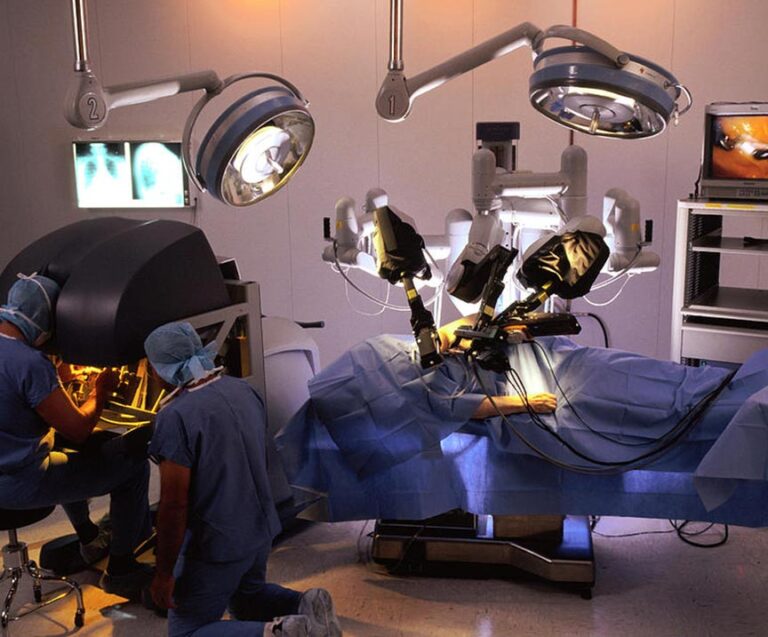
Advancements in medical technology have brought forth revolutionary changes in the field of cardiology. Two of the most groundbreaking innovations are Robotic Heart Surgery and Thoracic Endovascular Aortic Repair (TEVAR). The advanced solutions offer patients less invasive options with quicker recovery time which have transformed the way cardiovascular disease treatment works. This blog explores the intricacies of these two advanced procedures, shedding light on their benefits, applications, and the future of cardiology What is Robotic Heart Surgery? Robotic Heart Surgery is a type of minimally invasive heart surgery performed by specialized surgeons using robotic systems. Unlike traditional open-heart surgery, which requires large incisions and spreading of the breastbone, robotic heart surgery involves small incisions and the use of robotic arms controlled by the surgeon from a console. This advanced technique allows for precise movements and enhanced visualization, leading to better surgical outcomes. How Does Robotic Heart Surgery Work? The procedure utilizes the da Vinci Surgical System, the most commonly used robotic platform for cardiac surgeries. This system comprises several key components: Surgeon Console: The surgeon sits at a console and views a high-definition, 3D image of the heart. The console translates the surgeon's hand movements into precise actions by the robotic arms. Patient Cart: This cart is positioned next to the patient and holds the robotic arms and instruments. The arms are equipped with tiny surgical instruments and a camera. Vision System: This provides the surgeon with a magnified, high-resolution 3D view of the surgical area. During the surgery, the …

Aneurysm Surgery Excellence: Choose the Best Cardiac Surgeon
August 5, 2024

Heart failure is a chronic condition in which the heart is unable to pump blood efficiently, leading to a host of symptoms and complications. It's a serious condition that requires comprehensive management to improve quality of life and longevity. This blog will explore effective heart failure treatment options, emphasizing the importance of timely intervention and proper management. Additionally, we will discuss atrial fibrillation, a common complication of heart failure, and how it intertwines with heart failure treatment. Understanding Heart Failure Heart failure occurs when the heart muscle becomes weakened or stiff, impairing its ability to pump blood effectively. There can be various conditions which can cause health failure such as diabetes, hypertension and CAD (coronary artery disease). Symptoms often include shortness of breath, fatigue, swelling in the legs, and difficulty performing everyday activities. Diagnosis of Heart Failure Diagnosing heart failure involves a combination of medical history, physical examination, and diagnostic tests. Key diagnostic tools include: Echocardiogram: This ultrasound test provides detailed images of the heart's structure and function, allowing physicians to assess the heart's pumping ability and identify any abnormalities. Electrocardiogram (ECG): This test records the heart's electrical activity, helping to detect arrhythmias and other heart-related issuesd. Blood Tests: Certain biomarkers, such as B-type natriuretic peptide (BNP) or N-terminal pro-BNP (NT-proBNP), are elevated in heart failure and can aid in diagnosis. Chest X-ray: This imaging test helps to visualize the heart and lungs, identifying any signs of heart failure, such as fluid buildup in the lungs. Heart Failure Treatment Options …

Robotic Heart Surgery and TEVAR in Cardiology: Cutting-edge Solutions
July 18, 2024

Aneurysm surgery is a critical intervention for repairing weakened blood vessels and preventing life-threatening complications. If left untreated, aneurysms can rupture, leading to severe internal bleeding, stroke, and even death. Given the complexity and high stakes of such procedures, it is crucial to choose the best cardiac surgeon to ensure the highest chances of success and recovery.By staying informed and proactive, patients can navigate the complexities of aneurysm treatment and achieve optimal health and well-being. Understanding Aneurysms An aneurysm is a localized dilation or bulging of a blood vessel, typically an artery, due to the weakening of the vessel wall. There are various parts of the body such as the brain ( cerebral aneurysm), aortic aneurysm as well as peripheral arteries. This condition can occur in various parts of the body, including the brain (cerebral aneurysm), aorta (aortic aneurysm), and peripheral arteries. If left untreated, aneurysms can rupture, leading to life-threatening internal bleeding. Therefore, early diagnosis and intervention are crucial. Types of Aneurysms Aneurysms can occur in various parts of the body, but the most common types include: Aortic Aneurysm: Occurs in the aorta, the major blood vessel that supplies blood to the body. This type is further categorized into thoracic aortic aneurysm (TAA) and abdominal aortic aneurysm (AAA). Cerebral Aneurysm: Also known as a brain aneurysm, it occurs in the blood vessels of the brain and can lead to a hemorrhagic stroke if ruptured. Peripheral Aneurysm: Occurs in arteries other than the aorta, such as those in the legs …

Robot Heart Surgery: Precision and Innovation in Cardiology
July 7, 2024

Over the past few decades there has been a remarkable advancement in the field of cardiology. Among this one groundbreaking innovation is robotic heart surgery. It provides the top cardiac surgeon to perform minimally invasive procedures with precision and enhanced patient outcomes. The revolutionary approach to robot heart surgery utilizes advanced technology to perform complex and intricate procedures with accuracy. With technology improving the potential for cardiac procedures which are robot assisted keep growing. We will explore the intricacies of robot heart surgery, its benefits, the technology behind it, and its impact on the future of cardiac care in this blog. The Evolution of Heart Surgery Heart surgery has come a long way since the first successful open-heart operation in 1953. Traditional heart surgeries often involve large incisions, significant trauma to the patient, and extended recovery times.  The development of less invasive techniques such as minimally invasive surgery aimed to reduce the physical strain on the patients. The revolutionsing step in the field of cardiac heart surgery was the introduction of robotic assistance. Robotic heart surgery uses robotic systems to perform intricate heart procedures. Da Vinci surgical system is widely used in this domain as it enhances the surgeon's capabilities by giving better visualization and precision. How Robot Heart Surgery Works ? Robot heart surgery involves a surgeon operating a robotic console to control miniaturized instruments mounted on robotic arms. These instruments are inserted into the patient's body through small incisions, typically between the ribs, rather than the large cuts …

Robotic Heart Surgery in India: Advancements and Benefits
July 5, 2024

A revolutionary development in the field of medical technology has transformed the cardiac procedure landscape worldwide. Robotic Heart Surgery, an advanced technique that uses robotic systems to perform intricate heart surgeries with better precision and control. As India continues to establish itself as a leader in advanced healthcare as well as medical tourism, inclusion of robotic heart surgery in India has helped achieve multiple benefits in the field of cardiology. The Evolution of Cardiac Surgery The cardiac surgery landscape has seen a drastic change over the years. Traditional cardiac procedures included large incisions along with long recovery periods. However with time a shift towards newer procedures such as minimally invasive which has unmatched precision and control. With these continuous advancements the future of cardiac surgery looks promising. Artificial intelligence, machine learning as well as better techniques for imaging are expected to improve the outcomes and precision of robotic surgeries with further innovations. A versatile and affordable system can make the advanced surgical option more accessible to a wide range of patient groups. What is Robotic Heart Surgery? The procedure of robotic heart surgery includes the use of surgical robots which can be controlled by highly trained cardiac surgeons to perform complex heart procedures. The commonly used da Vinci Surgical system consists of a high definition 3D camera, console for the surgeon to operate as well as robotic arms equipped with surgical instruments. Delicate procedures can be performed easily through small incisions which makes precise micro moments possible using surgical instruments. …

Heart Valve Repair Surgery: What Patients Should Expect
June 30, 2024

If you or your loved ones are suffering from heart failure, then you are not alone. This medical condition affects millions of people worldwide each year. Heart failure occurs when the heart stops pumping effectively to the lungs and rest of the body. Timely treatment can help improve the long term recovery rates , reduce complications. Let’s understand the intricacies of heart failure surgery, exploring the various surgical options available, the role of heart atrial fibrillation. What is Heart Failure? Heart failure occurs when the heart is not able to pump ample amounts of blood in order to meet the needs of the body. The symptoms of this condition include swellings of ankles and legs, shortness of breath as well as fatigue. The cause of heart failure can include multiple reasons such as high blood pressure, cardiomyopathy or coronary artery disease. In conditions where lifestyle changes and medication are not enough , surgery can be considered. There are several types of surgery available for heart failure patients, each tailored to address specific issues within the heart. Types of Heart Failure Surgery Coronary Artery Bypass Grafting (CABG) Coronary artery bypass grafting (CABG) is one of the most common surgeries performed to improve blood flow to the heart. In this procedure, a surgeon takes a healthy blood vessel from another part of the body and uses it to bypass a blocked coronary artery. This allows blood to flow around the blockage, improving oxygen and nutrient delivery to the heart muscle. Indications for …

Valve Replacement and Repair
June 26, 2024

When it comes to cardiac surgery, heart valve repair has seen a transformation over the years along with technological advancements. This offers patients to opt for a minimally invasive technique to repair heart valves. This blog will guide you through what surgery to repair heart valve entails, especially focusing on minimally invasive surgery methods. Having an understanding of the benefits, risks as well as recovery time can help patients make an informed decision about the treatment options. Understanding Heart Valve Problems The heart has four valves: the mitral, tricuspid, pulmonary, and aortic valves. These valves ensure that blood flows in the right direction through the heart's chambers and to the rest of the body. However, when these valves don't function properly, it can lead to conditions such as: Stenosis: When valve flaps become thick or stiff, narrowing the valve opening and reducing blood flow. Regurgitation: When valve flaps don't close properly, causing blood to leak backward. Prolapse: A condition where valve flaps bulge or prolapse back into the heart chamber, often causing regurgitation. Symptoms of heart valve problems can include shortness of breath, fatigue, chest pain, palpitations, swelling in the ankles and feet, and fainting spells. When these symptoms become severe or interfere with daily life, heart valve repair surgery might be necessary. Types of Heart Valve Repair Surgery To repair heart valve surgery can be performed through different surgical techniques, ranging from traditional open-heart surgery to minimally invasive approaches. 1.Traditional Open-Heart Surgery Traditional open-heart surgery involves making a large …

Robotic Heart Surgery and TEVAR in Cardiology: Cutting-edge Solutions
June 24, 2024

If we talk about technological advancements in the field of medicine , minimally invasive surgery has revolutionized the sector in multiple ways. As a less invasive and safe alternative, cardio robotics represents a significant advantage, especially in the field of cardio-thoracic and vascular procedures. The continuous evolution in this field makes it a necessity for healthcare institutions to make sure that the benefit of cardio robotics is accessible to all patients. The blog emphasizes the role of cardio robotics in minimally invasive surgery while also shedding light on its benefits and future prospects. What is Cardio Robotics? The integration of robotic systems in cardiothoracic and vascular surgery gives the level of precision, control as well as flexibility that is better than human hand capabilities. Various cardio robotic systems, for example the da Vinci Surgical System, helps cardiothoracic and vascular surgeon. Complex procedures are made easier through small incisions which further reduces patient trauma and accelerates recovery times. The Evolution of Cardio Robotics The journey of cardio robotics began in the late 20th century with the development of laparoscopic techniques. In order to achieve integration of robotic systems into the surgical practices, these techniques lay groundwork. The first major breakthrough came with the introduction of the da Vinci Surgical System in 2000, which set the standard for robotic-assisted surgeries. Key Components of Cardio Robotic Systems Cardio robotic systems consist of several key components: Surgeon Console: The console is where the surgeon sits and controls the robotic arms. With high definition and …

The Role of Cardio Robotics in Minimally Invasive Surgery
June 13, 2024

Maintaining the health of heart valves ensures smooth functioning of the life-sustaining rhythm and flow of blood. It pumps gallons of blood daily, supplying vital nutrients and oxygen to every cell in our body. Their perfect functioning ensures a seamless blood flow, but when they falter, it can have dire consequences.However, certain medical conditions can lead to valve damage or malfunction, compromising the heart's ability to function optimally. Advancements in medical science have made progress in the field of heart valve repair, offering hope and restored vitality to patients in need. What Is Heart Valve Dysfunction? The human heart is an extraordinary structure that has systemic functioning. It has four valves - the mitral, aortic, tricuspid, and pulmonary valves. The major function of these valves is to ensure that the blood flows properly and in the correct direction through the heart’s chambers to the rest of the body.  Conditions such as valve stenosis or valve regurgitation can occur.When one or more of these valves malfunction, it can lead to conditions such as valve stenosis (narrowing of the valve) or valve regurgitation (leakage of the valve). These conditions can cause symptoms like shortness of breath, fatigue, chest pain, and, if left untreated, can lead to heart failure or other serious complications. Understanding Heart Valve Repair Procedures Traditional Open-Heart SurgeryOpen-heart surgery has been the conventional approach for heart valve repair for many years. This procedure involves making a large incision in the chest to access the heart. The surgeon then repairs or …

Book Appointment

    This will close in 0 seconds