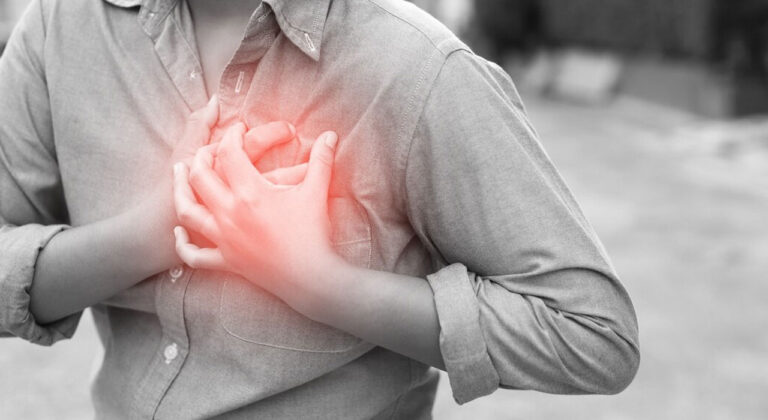
Sudden cardiac arrest (SCA) is a critical medical emergency where the heart abruptly stops functioning. In the realm of medicine, arrhythmia refers to disorganized impulse generation in the heart's natural electrical pathways. The causes of SCA can vary widely, encompassing genetic abnormalities, structural changes in the heart due to various factors, infections, and even extreme physical activity. Dr. Udgeath Dhir, Director and Head of Cardio Thoracic Vascular Surgery at Fortis Memorial Research Institute in Gurugram, sheds light on this life-threatening condition, highlighting its causes, predisposing factors, symptoms, and preventive measures. Several predisposing heart conditions contribute to SCA, including coronary artery blockages, prior heart attacks, congenital heart surgery, electrical issues, and cardiomyopathy. Individuals with a family history of SCA, diabetes, a history of smoking and alcohol or recreational drug abuse, high blood pressure, nutritional imbalances, obesity with obstructive sleep apnea, and hypertrophic cardiomyopathy face an elevated risk of sudden cardiac arrest. It is crucial to recognize the diverse risk factors associated with SCA to implement effective preventive measures. Symptoms of SCA can be subtle or absent in more than 50% of cases, making screening and risk assessment crucial for early detection and intervention. Recognizable symptoms may include a racing heartbeat, chest pain, shortness of breath, vomiting, and dizziness. Prevention strategies involve a customized approach, ranging from lifestyle modifications to nutritional adjustments. Comprehensive screenings, including basic electrocardiograms (ECGs), specific blood tests, and advanced studies such as catheterization and electrophysiology, are vital for high-risk individuals. Sudden cardiac death is distinct from a heart …