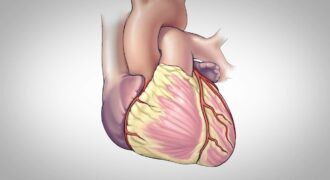
The human heart relies on a sophisticated system of four specialized valves, the aortic, mitral, tricuspid, and pulmonary valves to maintain a unidirectional, highly regulated flow of blood. When these structures experience structural degradation, the entire cardiovascular system encounters significant mechanical strain.Modern cardiac care focuses not only on structural correction but also on optimizing long-term myocardial survival, improving overall quality of life, and implementing preventative post-operative monitoring. Delve through this comprehensive guide to understand the heart valve diseases and why heart valves need to be replaced on time for better health.
Understanding Heart Valve Disease: Dynamics of Stenosis and Regurgitation
Heart valve diseases generally fall into two primary pathophysiological categories, both of which severely compromise structural hemodynamics:Valvular Stenosis
This condition occurs when the valve leaflets become rigid, thickened, or calcified, narrowing the valvular orifice. The restricted opening obstructs forward blood flow, forcing the myocardium to generate significantly higher pressure to pump blood. This chronic pressure overload can lead to myocardial hypertrophy and subsequent heart failure.Valvular Regurgitation
Also known as a leaky valve, this condition involves improper closure of the leaflets, allowing blood to flow backward into the cardiac chambers. This creates a volume overload, dilating the heart chambers and weakening its structural pumping efficacy over time.| Aspect | Valvular Stenosis | Valvular Regurgitation |
| Primary Mechanism | Narrowing and stiffening of the valve orifice. | Incomplete closure causing backward blood flow. |
| Myocardial Impact | Chronic pressure overload leading to hypertrophy. | Chronic volume overload leading to chamber dilation. |
| Common Etiologies | Calcification, congenital defects, rheumatic fever. | Myxomatous degeneration, infection, structural dilation. |
| Key Symptoms | Exertional chest pain, syncope, dyspnea. | Fatigue, orthopnea, peripheral edema, palpitations. |
Comprehensive Diagnostic Pathways in Valvular Care
To determine whether a valve requires immediate therapeutic intervention, a rigorous diagnostic process is conducted. Advanced imaging protocols help pinpoint the exact level of structural dysfunction:Transthoracic and Transesophageal Echocardiography (TTE/TEE)
These provide high-resolution ultrasound visualization of leaflet motion, opening area, and Doppler hemodynamic flow gradients.Cardiac Computed Tomography (CT) and Magnetic Resonance Imaging (MRI)
These offer precise anatomical sizing, tissue characterization, and accurate quantification of regurgitant volumes.Cardiac Catheterization
This is used to directly measure intracardiac pressures and assess concurrent coronary artery health.Heart Valve Repair vs. Replacement
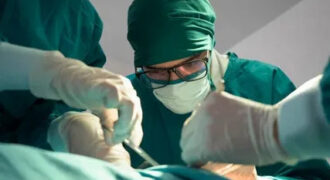
Once a valvular lesion reaches a severe threshold, clinical guidelines strongly recommend structural intervention. Medical experts distinguish between two primary surgical strategies: valve repair and valve replacement.The Preferred Approach: Heart Valve Repair
Whenever anatomically feasible, cardiac specialists prioritize valve repair. Repair techniques, such as an annuloplasty (strengthening or reshaping the valve’s supporting ring) or direct leaflet reconstruction, preserve the patient’s native tissue anatomy.By avoiding prosthetic materials, valve repair preserves:- Subvalvular structures
- Supports optimal ventricular function
- Reduces the patient’s long-term reliance on heavy anticoagulation medications
Heart Valve Replacement
When a valve exhibits severe calcification, extensive structural tearing, or advanced degeneration, replacement becomes clinically necessary. The damaged native valve is excised and replaced with a high-performance prosthetic substitute. Surgeons choose between two primary categories of replacement valves based on individual patient profiles:- Mechanical Valves
- Biological (Bioprosthetic) Valves
Modern Innovations: Minimally Invasive and Robotic Interventions
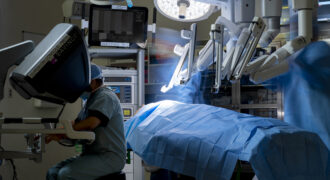
Leading heart centers now utilize minimally invasive approaches, including minithoracotomies and robotic-assisted valve surgeries. By operating through small incisions between the ribs rather than dividing the sternum, surgeons can access the heart with enhanced precision. These advanced techniques lead to:- Less tissue trauma
- Reduced perioperative blood loss
- Lower infection rates
- Shorter hospital stays
- Faster return to daily activities.
1. Structured Cardiovascular Rehabilitation
Enroll in a medically supervised cardiac rehabilitation program. This might provide:- structured exercise training
- Lifestyle counseling
- Continuous cardiac monitoring
2. Precise Anticoagulation Management
For patients with mechanical valve replacements, strict adherence to prescribed blood thinners is essential. Regular blood testing to monitor International Normalized Ratio (INR) levels ensures protection against both thromboembolic clotting and unexpected bleeding complications.3. Comprehensive Prophylaxis for Infective Endocarditis
Damaged, repaired, or prosthetic heart valves remain susceptible to bacterial colonization. Patients must maintain:- Exceptional oral hygiene.
- Take prophylactic antibiotic therapy prior to specific dental or invasive surgical procedures.
- This helps prevent life-threatening endocarditis.
4. Implementing a Heart-Healthy Lifestyle
Long-term structural health relies on managing underlying cardiovascular risk factors. Patients should follow:- Nutrient-rich, low-sodium diet.
- Maintain a healthy weight.
- Manage blood pressure and cholesterol levels.
- Avoid tobacco products.