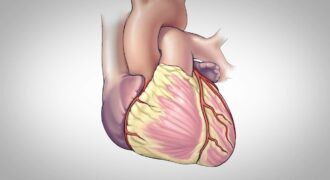
Stress is an almost universal experience, fueled by professional deadlines, economic concerns, extended labor hours, and the unrelenting mental load of digital connectivity and sleep deprivation. Although frequently categorized as a psychological issue, heart specialists warn that the ramifications of stress extend far beyond mental well-being.
Stress doesn’t just mess with your head. It actually affects your heart, too. It’s about more than just feeling frustrated or burnt out. When stress sticks around, it puts real physical strain on your cardiovascular system. Health experts are now saying we need to stop thinking about mental well-being and heart health as separate things.
Stress Is Not Just Mental, Your Heart Feels It Too
Many people continue believing stress is simply an emotional reaction that disappears once a difficult day ends. However, the body does not always switch off stress responses immediately.
When the body experiences stress, several physiological changes occur. The heart can begin beating faster. Blood vessels can tighten. Hormonal changes may push the body into an alert state designed for short-term survival situations. The problem begins when stress stops being occasional and becomes constant.
The body was never designed to remain in a prolonged state of pressure. Yet for many individuals, work demands, digital overload, reduced sleep, and persistent anxiety create a cycle where the body rarely returns to a relaxed state. That cycle can gradually affect cardiovascular health.
The Risk Is Real: What Stress Can Do To The Heart
The effects of stress are often underestimated because they do not always create immediate pain or obvious symptoms.
However, prolonged stress can contribute to:
- Higher Blood Pressure
When you’re stressed out all the time, your blood pressure can stay high. Over time, this extra pressure makes your heart and blood vessels work much harder than they should.
- Faster Heartbeat
Stress often makes your heart beat faster. While that’s normal once in a while, having your heart constantly racing can eventually wear it down.
- Body-Wide Inflammation
Constant stress can also trigger inflammation throughout your body. This isn’t just a minor issue. It’s a serious risk factor for your heart health that definitely shouldn’t be ignored.
While many believe cardiovascular risks only stem from poor nutrition or inactivity, stress can be a silent contributor. It often exerts pressure on the body in a subtle, gradual manner, typically without providing any immediate indicators.
Warning Signs People Should Not Ignore
It’s easy to brush off stress symptoms as just being tired or overworked. We’re all busy, and feeling drained has become the new normal. But don’t ignore what your body is telling you. Some warning signs really need your attention:
- Chest tightness
A feeling of heaviness, pressure, or discomfort around the chest should never be casually ignored.
- Continuous Exhaustion
If you remain tired even after resting, it could be a sign that your system is under constant strain.
- Breathlessness
Experiencing laboured breathing or feeling out of breath during routine tasks is a symptom that requires careful observation.
- Constant Anxiety and Agitation
Chronic worry and high emotional tension often manifest alongside physical changes across the body.
Ignoring symptoms simply because they appear manageable can create unnecessary risk. Health professionals repeatedly advise people to pay attention to changes rather than assume they are temporary inconveniences.
Modern Lifestyle Pressures Are Making The Situation Harder
Stress is not always linked to one major event. In many situations, stress builds from repeated smaller pressures. Long office hours. Constant notifications. Reduced movement during the day. Late-night screen exposure. Interrupted sleep patterns. Digital dependency.
Individually, these factors may appear insignificant. Combined over months or years, they may create sustained physical and mental strain. People increasingly remain connected around the clock but spend less time disconnecting. As a result, recovery periods become shorter while stress periods become longer.
Manage Stress, Save Your Heart
Heart health discussions often focus on medications, surgeries, or emergency treatment. But prevention remains equally important. Simple lifestyle changes can help reduce stress levels and improve overall well-being.
- Deep breathing exercises
Controlled breathing can help reduce immediate stress responses and encourage physical relaxation.
- Incorporate Physical Activity
Consistent movement stands as a highly effective method for enhancing both mental and physical wellness. Participating in regular exercise can lower stress and provide significant advantages for heart health.
- Reduce Digital Intake
Mental exhaustion is often exacerbated by continuous digital interaction. By limiting non-essential screen use and prioritizing times to unplug, individuals can cultivate more balanced daily habits.
Why Consulting with a Specialist is a Smart Choice
It is getting harder to overlook the link between physical health and emotional wellness. While individuals regularly track their weight, cholesterol, and blood sugar, stress levels are frequently left unmonitored, even though they impact everyday existence.
The message emerging from heart-health discussions is direct: caring for the mind and caring for the heart should not happen separately. Stress is not invisible simply because it cannot always be measured immediately.
Dr. Udgeath Dhir steps in as a renowned cardiothoracic vascular surgeon who emphasizes that proactive stress management is vital for long-term cardiovascular health. Consulting a specialist like Dr. Udgeath Dhir helps bridge the gap between emotional strain and physical well-being, ensuring subtle warning signs are evaluated long before they become serious.
FAQs
- Can stress directly affect heart health?
Yes, stress can increase blood pressure, elevate heart rate, and create physical changes that place additional strain on the heart.
- What common warning signs may indicate stress-related heart strain?
Chest tightness, fatigue, shortness of breath, and anxiety may indicate the body is reacting to prolonged stress exposure.
- Does occasional stress create serious heart problems?
Occasional stress is normal, but long-term and persistent stress may increase cardiovascular strain and associated risks.
- Can exercise help reduce stress levels?
Regular physical activity supports emotional balance and helps reduce stress responses affecting overall heart function and health.
- Why should screen time be limited for stress management?
Excessive screen exposure may increase mental fatigue, disrupt recovery periods, and contribute to ongoing stress accumulation.