Chest discomfort, breathlessness, and fatigue often bring daily life to a pause. For many, the thought of heart surgery adds another layer of concern, especially when it involves large cuts and long recovery time. This is where minimally invasive surgery brings a sense of relief. With smaller openings and modern tools, it offers a more comfortable path toward healing.
In places like minimal invasive surgery in Gurgaon, advanced care is now more accessible, helping individuals return to their routine with greater ease. Among these advancements, minimally invasive heart surgery stands out as a thoughtful approach that focuses on both treatment and recovery.
Understanding Minimally Invasive Cardiac Surgery
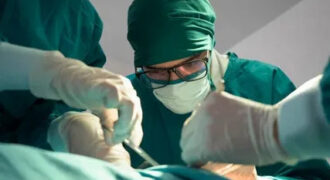
Minimally invasive cardiac surgery is a method where the heart is treated through small cuts instead of opening the chest completely. These small openings are made between the ribs, avoiding the need to divide the breastbone. A camera and long instruments guide the surgeon during the procedure. This setup allows clear visibility and precise work on the heart.
- Small cuts instead of a large opening
- Use of special instruments and camera
- Less disturbance to the chest structure
- Direct and accurate treatment of heart conditions
This approach combines modern tools with careful surgical techniques, making the entire process smoother for both the surgeon and the patient.
Why This Approach Is Gaining Attention
Over time, more medical centres have started offering minimally invasive cardiac procedures. The reason is simple: recovery tends to be quicker and more manageable.
Improved imaging and refined surgical methods have made it possible to treat many heart conditions through smaller openings. This has naturally led more people to explore this option.
- Faster return to daily routine
- Better comfort during recovery
- Advanced technology supporting accuracy
- Growing availability across healthcare centres
In regions like Gurgaon, this shift has become more noticeable, where minimal invasive surgery in Gurgaon is now a preferred choice for many seeking efficient heart care.
Benefits That Make a Real Difference
Minimally invasive cardiac surgery is not just about smaller cuts. It brings several practical advantages that support healing and comfort.
Key Benefits
- Smaller incisions
Cuts are only a few centimeters long, which helps reduce visible marks. - Less pain
Since the chest bone is not opened, discomfort is usually lower. - Shorter hospital stay
Patients often return home earlier compared to traditional surgery. - Faster recovery
Healing tends to be quicker, allowing a gradual return to daily life. - Lower risk of complications
Smaller wounds reduce chances of infection and heavy bleeding. - Better appearance after healing
Scars are less noticeable, which helps with confidence. - Improved breathing and movement
The chest remains more stable, making breathing and movement easier.
These benefits explain why many consider minimally invasive heart surgery as a practical and comfortable option.
Who May Need This Type of Surgery
Not every heart condition requires a full open procedure. In many cases, minimally invasive techniques are suitable and effective. This method may be recommended for individuals dealing with:
- Mitral valve issues
- Aortic valve problems
- Tricuspid valve conditions
- Atrial septal defect
- Atrial fibrillation needing surgical care
- Certain types of coronary artery disease
- Growths or tumors inside the heart
It is especially helpful when a quicker recovery is important or when traditional surgery may be more challenging.
What Happens During the Procedure
Understanding the process can help reduce uncertainty. Minimally invasive cardiac surgery follows a clear and structured path.
Step-by-Step Overview
- Pre-surgery preparation
- Medical history is reviewed
- Tests and physical checks are done
- All concerns are discussed in advance
- During surgery
- General anaesthesia is given
- Small incisions (around 2–4 inches) are made
- A camera and instruments are inserted
- The heart is treated with precision
- Surgical process
- In some cases, a heart-lung machine is used
- Repairs or replacements are performed carefully
- After surgery
- Initial monitoring in ICU
- Shift to regular room once stable
- Pain control and early movement encouraged
This planned approach ensures safety and steady recovery at every stage.
Recovery Journey After Surgery
Healing is an important part of the process. One of the reasons people choose minimally invasive methods is the smoother recovery path.
Recovery Timeline
- First 2 days
Close monitoring in ICU with continuous care - Next few days
Gradual return to movement and daily tasks - At discharge
Guidance on care, safety, and recovery at home - First follow-up
Review of healing progress and adjustments if needed - After a few weeks
Many resume normal activities and routine work
This step-by-step recovery helps individuals regain strength without unnecessary strain.
Advanced Care with a Modern Approach
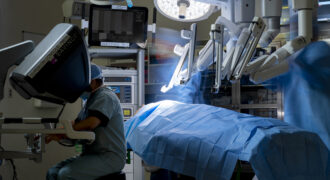
Minimally invasive techniques are often supported by robotic technology. This adds another level of precision to heart procedures.
- Better control during surgery
- Reduced impact on surrounding tissues
- Smooth and accurate movements
- Improved overall outcomes
Such advancements make minimally invasive surgery more reliable and effective in treating complex heart conditions.
A Trusted Name in Cardiac Care: Dr. Udgeath Dhir
Choosing the right surgeon plays a major role in the entire journey. Dr. Udgeath Dhir brings years of experience and a strong focus on patient care.
What Sets Him Apart
- Over 15 years of experience in cardiac surgery
- Skilled in advanced and robotic techniques
- Focus on personalised treatment plans
- Clear and transparent communication
- Strong support before and after surgery
His approach is not limited to the procedure alone. It includes complete care, from diagnosis to recovery.
Choose the Right Path for Heart Care
Heart health decisions require clarity and trust. Minimally invasive methods have changed the way cardiac care is approached, offering comfort without compromising results. With smaller incisions, quicker recovery, and advanced precision, this approach continues to bring positive outcomes for many individuals.
Under the guidance of Dr. Udgeath Dhir, patients receive not just treatment but a complete care experience built on skill, understanding, and attention to detail. His work in minimally invasive heart surgery and minimal invasive surgery in Gurgaon reflects a commitment to safer and smoother healing journeys.
Taking a step toward better heart care today can lead to a healthier tomorrow. Connect with an expert who understands both the science and the sensitivity of cardiac treatment.
Frequently Asked Questions
- What makes minimally invasive cardiac surgery different?
It uses small cuts instead of opening the chest fully. This reduces pain, speeds up recovery, and helps patients return to normal life sooner.
- Is recovery faster with minimally invasive heart surgery?
Yes, recovery is usually quicker because the chest structure is not heavily disturbed, allowing the body to heal in a shorter time.
- Who can consider this type of surgery?
People with certain valve problems, heart rhythm issues, or specific heart conditions may be suitable for this approach after proper evaluation.
- Does the procedure involve advanced technology?
Yes, it often uses cameras, specialised instruments, and sometimes robotic systems for better precision and smoother surgical outcomes.
- How important is the surgeon’s experience?
Experience plays a key role. Skilled surgeons ensure accurate procedures, better recovery, and overall safer results for heart treatments.