The landscape of modern medicine has been fundamentally transformed by the integration of robotic technology into the operating theater. What was once considered the realm of science fiction is now the gold standard for achieving precision, safety, and rapid recovery in surgical interventions.
As healthcare evolves toward more patient-centric outcomes, robotic-assisted surgery has emerged as the preferred choice for minimally invasive care, particularly in complex cardiovascular procedures.
The Evolution of Surgical Precision
Traditionally, surgery was defined by large incisions, significant blood loss, and prolonged recovery periods.
Robotic surgery represents the pinnacle of this evolution, bridging the gap between the tactile feedback of open surgery and the minimal invasiveness of traditional keyhole methods.
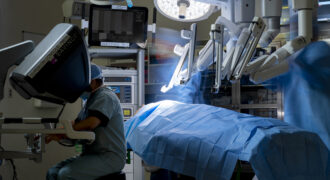
By utilizing high-definition 3D visualization and wristed instrumentation that exceeds the capabilities of the human hand, robotic systems allow surgeons to navigate the most intricate anatomical structures with unprecedented accuracy.
Robotic-Assisted Cardiovascular Interventions
In the field of cardiac care, the move toward robotic systems has been revolutionary. Today, robotic platforms enable complex procedures to be performed through small incisions between the ribs.
Coronary Artery Bypass Graft (CABG)
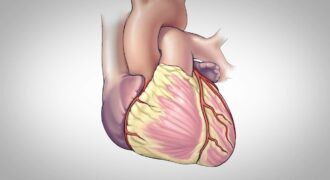
The most common application of this technology is the coronary artery bypass graft. Robotic technology allows the surgeon to harvest internal mammary arteries and perform the bypass with extreme precision.
Because the robotic arms eliminate the natural tremors of the human hand and provide a magnified view of the surgical site, the suturing of artery bypass grafts, which are often no wider than a few millimeters, is performed with a level of consistency that minimizes the risk of graft failure.
Enhancing Complex Artery Heart Surgery
Complex artery heart surgery requires a steady hand and a clear field of vision. When performing revascularization, the robotic system provides a 10x magnified view, allowing the surgical team to identify the healthiest sections of the vessel for grafting.
Key Advantages of The Robotic Approach
1. Superior Visualization and Dexterity
Robotic systems feature “EndoWrist” technology, which allows instruments to rotate 360 degrees. This maneuverability is vital when working in the confined spaces of the thoracic cavity. Surgeons can reach angles that are physically impossible with standard laparoscopic tools, ensuring that every movement is optimized for the patient’s anatomy.
2. Reduced Trauma and Blood Loss
The incisions are significantly smaller than those used in open surgery, there is less disruption to the surrounding tissues and muscles. This leads to a marked reduction in intraoperative blood loss, frequently eliminating the need for blood transfusions and reducing the associated risks of immune reactions or infections.
3. Accelerated Recovery and Rehabilitation
One of the most significant factors making robotic surgery the preferred choice is the speed of recovery. Patients who undergo robotic cardiovascular procedures typically spend less time in the Intensive Care Unit (ICU) and are discharged from the hospital days earlier than those who undergo traditional surgery.
4. Lower Risk of Postoperative Complications
Large incisions are inherently more susceptible to infection and dehiscence (the opening of a wound). By utilizing ports that are only a few centimeters wide, the robotic approach minimizes the surface area exposed to potential pathogens.
Technical Superiority in Grafting Procedures
When addressing multi-vessel disease, the quality of the artery bypass grafts is the primary determinant of long-term survival. Robotic assistance allows for the totally endoscopic approach, where the heart continues to beat during the procedure (off-pump surgery).
By combining the stability of robotic arms with off-pump techniques, surgeons can achieve a high-quality anastomosis (connection) of the coronary artery bypass graft without the risks associated with cardiac arrest and extracorporeal circulation.
Conclusion
The shift toward robotic-assisted surgery represents a commitment to excellence in clinical outcomes. Whether it is a complex coronary artery bypass graft or intricate artery heart surgery, the robotic approach offers a level of safety and efficacy that was previously unattainable.
For those seeking the highest standard of cardiovascular care, choosing a specialist who utilizes these advanced modalities is essential. Dr. Udgeath Dhir, a distinguished expert in the field of Cardiothoracic and Vascular Surgery, stands at the forefront of this surgical revolution. As the Director and Head of Department at leading medical institutions, Dr. Dhir specializes in complex robotic heart surgeries, including advanced artery bypass grafts.
To learn more about advanced heart care and robotic interventions, visit our official website.
Frequently Asked Questions (FAQs)
- Is robotic surgery safer than traditional open-heart surgery?
Robotic surgery is considered highly safe and, in many cases, carries fewer risks of infection and blood loss compared to traditional open-heart surgery. Because it uses smaller incisions, the overall physiological strain on the patient is significantly reduced.
- How long is the recovery period after a robotic coronary artery bypass graft?
Most patients can return to light activities within 2 to 3 weeks and full activity within 4 to 6 weeks. This is significantly faster than the 3-month recovery typically required for traditional sternotomy-based surgeries.
- Will I have visible scars after robotic artery heart surgery?
No. Unlike the long vertical scar associated with traditional heart surgery, robotic surgery involves 3 to 5 small incisions (about the size of a coin) usually hidden along the side of the chest or under the breast line, resulting in minimal scarring.
- Can all patients qualify for robotic-assisted surgery?
While robotic surgery is suitable for many, it depends on the patient’s specific anatomy, the severity of the disease, and overall health. A thorough evaluation by a cardiac surgeon is necessary to determine if a patient is an ideal candidate for a robotic coronary artery bypass graft.
- Does the robot perform the surgery automatically?
No. The robot is a tool controlled entirely by the surgeon. Every movement of the robotic arms is a direct translation of the surgeon’s hand movements at a console. The system enhances the surgeon’s skills by providing better visualization and precision but does not act independently.