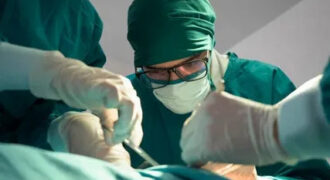
Think about a heart surgery done through a few small cuts using robotic arms, while AI quietly works through scans and lab reports in the background, flagging risks and helping with planning. That’s not some far-off idea anymore; it’s already happening in cardiac care today.
Heart surgery is evolving fast, and AI paired with robotic-assisted techniques is a big part of that change, helping surgeons handle tricky procedures with more accuracy, safer outcomes, and shorter recovery times.
But none of this replaces the surgeon. AI and robotics are just tools; the real judgment still comes from years of surgical experience.
A New Era of Cardiac Surgery
Cardiac surgery has changed a lot over the years, from big open-chest operations to smaller, less invasive methods that are easier on the body. Every step forward has had the same goal: safer surgery, quicker healing.
Now AI and robotics are taking that a step further. In just a matter of seconds, AI can process enormous volumes of medical data that would take humans hours or even days to review, and robotic systems give surgeons a level of control that’s genuinely hard to match by hand alone. Together, these tools help doctors make better calls and shape treatment around what each patient actually needs.
How AI Is Transforming Heart Surgery
AI has quietly become a real support system in healthcare, and cardiac surgery is no different. By going through CT scans, ECGs, echocardiograms, and lab work, AI can pick up on patterns that help surgeons make faster, more accurate decisions.
It’s helping with things like:
- Working out a patient’s overall surgical risk
- Spotting possible complications ahead of time
- Reading cardiac scans more precisely
- Shaping treatment plans around individual data
- Keeping an eye on recovery and catching early warning signs
Example: a patient is likely to develop irregular heart rhythms or need a longer ICU stay; AI can flag that early, giving the team time to plan around it.
Robotic Technology Brings Greater Precision to Heart Surgery
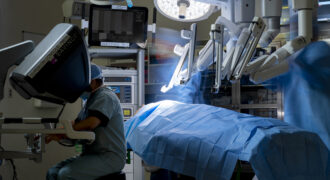
Robotic-assisted heart surgery lets surgeons carry out complex work through just a few small incisions, without giving up any precision. The surgeon is still fully in control the whole time, guiding the robotic arms from a console that mirrors every hand movement while smoothing out natural tremors. A magnified, high-def 3D view also makes it easier to see the finer details of the heart.
Some real advantages here:
- Sharper precision on complex procedures
- Better flexibility and reach
- Clearer visuals through 3D imaging
- Easier access to tricky spots
- Less trauma to nearby tissue
At the end of the day, robotics doesn’t replace the surgeon, it just gives them more to work with.
How AI Helps Predict Surgical Risks and Improve Clinical Decisions
No two patients are the same, and a lot of what makes surgery successful happens well before the actual operation. AI helps by looking at age, medical history, imaging, and lab results to get a sense of risk early on. It supports surgeons by:
- Picking out higher-risk patients
- Predicting likely complications after surgery
- Helping decide on the right surgical approach
- Planning ahead for ICU needs
Spotting these things early means the team can adjust the plan instead of reacting to surprises later.
Minimally Invasive Surgery with Maximum Impact
Traditional open-heart surgery is still the safest option for a lot of complex cases. But minimally invasive techniques have opened up new choices for patients who qualify.
With robotic help, surgeons can work through small keyhole incisions instead, and since the chest isn’t opened the usual way, recovery is often smoother.
Some possible upsides:
- Smaller incisions and less blood loss
- Reduced pain afterward
- Lower infection risk
- Minimal scarring
- Shorter hospital stay and quicker return to normal life
Which route makes sense really depends on the patient, that’s something only a proper evaluation can tell you.
Which Heart Conditions Can Benefit from AI and Robotic-Assisted Surgery?
Not every heart condition calls for robotic surgery, but plenty of patients could benefit, including those dealing with:
- Coronary artery disease needing bypass surgery
- Mitral valve problems
- Tricuspid valve disorders
- Certain congenital defects, like atrial septal defects
- Some cardiac tumors
AI also helps figure out whether someone’s a good candidate for minimally invasive surgery, but the final call still comes down to an experienced cardiothoracic surgeon.
How AI and Robotic Heart Surgery Are Improving Patient Outcomes
- Less invasive procedures: Robotic-assisted surgery uses smaller incisions, causing less damage to surrounding tissues.
- Faster recovery: Many eligible patients experience shorter hospital stays and a quicker return to everyday activities.
- Reduced complications: Smaller incisions can lead to less pain, lower blood loss, a reduced risk of infection, and minimal scarring.
- Smarter surgical planning: AI analyses large volumes of patient data to help surgeons assess risks and plan procedures with greater accuracy.
- Greater surgical precision: Robotic systems provide enhanced control, flexibility, and high-definition visualization during complex heart surgeries.
- Personalized treatment: AI-driven insights allow surgeons to tailor treatment plans to each patient’s unique condition.
- Human expertise remains essential: AI and robotics support surgeons by improving precision and decision-making, but every critical surgical decision is made by the surgeon.
- Better long-term outcomes: Together, AI and robotic technology contribute to safer surgeries, smoother recovery, and improved overall heart health.
Choose Advanced Cardiac Care with Dr. Udgeath Dhir
Picking the right specialist matters just as much as picking the right treatment. Dr. Udgeath Dhir, a Cardiothoracic and Vascular Surgeon with over 15 years of experience, offers advanced, evidence-based care with a strong focus on patient safety and personalised treatment.
The work covers coronary artery disease, valve disorders, thoracic conditions, minimally invasive and robotic-assisted heart surgery, CABG, valve repair and replacement, aortic surgery, and thoracic procedures.
Every treatment plan comes after a detailed clinical assessment, so patients get an approach that actually fits their condition. If you or someone close to you has been diagnosed with a heart condition, talking to an experienced specialist can help you make sense of your options with more confidence.
The Future of Cardiac Surgery Starts Today
AI and robotic-assisted surgery are reshaping cardiac care, better diagnosis, smarter risk prediction, and more precise, minimally invasive procedures. But skilled surgeons remain at the heart of it all. As things keep moving forward, patients can look forward to safer surgeries, quicker recovery, fewer complications, and care that feels genuinely personal.
Frequently Asked Questions
It’s a minimally invasive procedure where the surgeon controls robotic instruments through small incisions, offering more precision and often a quicker recovery.
No, AI helps analyze data and predict risk, but the actual surgery stays entirely in the surgeon’s hands.
It supports early diagnosis, imaging analysis, complication prediction, and personalized planning, all leading to better-informed decisions.
It depends on the patient’s condition, medical history, and overall health, which a thorough evaluation will determine.
His experience with advanced and minimally invasive techniques, paired with a personalized approach, means patients get well-rounded, high-quality cardiac care.