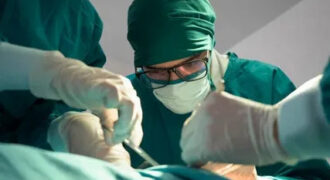
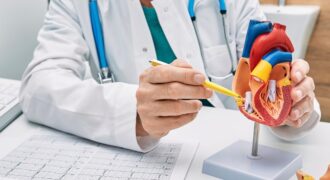
Coronary Artery Bypass Grafting (CABG), commonly referred to as bypass surgery, is a pivotal surgical intervention designed to treat severe coronary artery disease (CAD). By re-establishing adequate oxygenation to the myocardium, this procedure prevents cardiac events, alleviates debilitating symptoms like angina, and significantly enhances long-term heart function.
Understanding how bypass surgery mechanically restores perfusion, alters cardiac hemodynamics, and promotes myocardial recovery provides vital insight into its life-saving benefits.
Understanding Coronary Artery Disease and Reduced Blood Flow
To grasp how bypass surgery works, it is essential to understand the vascular mechanics of coronary artery disease.
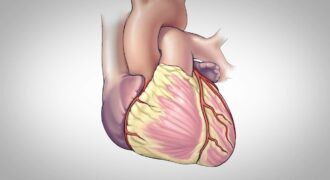
- Atherosclerotic Plaque Formation: Over time, lipids, cholesterol, cellular waste, and calcium accumulate along the inner lining of the coronary arteries.
- Lumen Narrowing: This accumulation creates hard plaques that narrow the internal diameter (lumen) of the primary vessels supplying the heart.
- Ischemia: Restrictive arterial walls prevent adequate oxygen-rich blood from reaching the heart muscle, especially during physical exertion or stress.
- Myocardial Infarction (Heart Attack): Complete blockage of a coronary artery deprives downstream tissue of oxygen, causing irreversible cardiac cell necrosis.
What is Coronary Artery Bypass Grafting (CABG)?
Coronary Artery Bypass Grafting is a surgical procedure that creates a detour around blocked or severely narrowed coronary arteries using healthy blood vessels harvested from other parts of the body.
Feature | Details |
Primary Objective | Restore unimpeded blood supply to oxygen-starved heart muscle |
Common Graft Sources | Internal Mammary Arteries (chest), Radial Artery (arm), Saphenous Vein (leg) |
Surgical Approaches | Traditional (On-Pump), Off-Pump (Beating Heart), Minimally Invasive / Robotic |
Target Conditions | Severe multi-vessel blockages, Left Main Coronary Artery stenosis, Failed angioplasty |
How Bypass Surgery Re-Routes Blood Flow
Bypass surgery does not physically remove plaque from the diseased artery. Instead, it alters cardiac circulation by establishing an alternative conduit for blood movement.
Direct Hemodynamic Mechanics
- Harvesting the Graft
- Proximal and Distal Anastomosis
- Restoring Perfusion Pressure
- Rescuing Ischemic Myocardium
The Biological Mechanisms of Improved Heart Function
Restoring arterial pressure and blood volume directly transforms cardiac performance at the cellular and muscular levels.
- Reversal of Myocardial Stun
- Recovery of Hibernating Myocardium
- Increased Ejection Fraction (EF)
- Reduction in Cardiac Workload
- Prevention of Fatal Arrhythmias
Arterial vs. Venous Grafts: Structural Performance
The choice of graft vessel directly influences long-term blood flow stability and graft longevity.
Graft Type | Anatomical Source | Long-Term Patency Rate (10+ Years) | Key Advantages |
Internal Mammary Artery (IMA) | Inside the chest wall | ~90% – 95% | Resists atherosclerosis; adapts naturally to arterial blood pressure |
Radial Artery | Forearm | ~80% – 85% | Thick muscular wall; suitable for high-grade coronary stenosis |
Saphenous Vein | Leg | ~50% – 60% | Readily available length; ideal for multiple bypass conduits |
Symptomatic and Clinical Improvements Post-CABG
Beyond physiological metrics, bypass surgery yields clear, measurable improvements in daily quality of life and clinical survival rates.
Primary Symptomatic Benefits
- Complete Relief from Angina: Chronic chest pain and pressure caused by myocardial oxygen deficit are eliminated or significantly reduced.
- Reduced Shortness of Breath (Dyspnea): Improved left ventricular contraction prevents fluid accumulation in the lungs.
- Increased Exercise Tolerance: Patients regain stamina for daily physical activities, walking, and light exercise without fatigue or chest tightness.
- Reduced Medication Dependency: Needs for emergency nitrates and heavy anti-anginal medications are often substantially minimized.
Long-Term Impact on Overall Cardiovascular Health
Bypass surgery delivers protective structural benefits that safeguard long-term cardiac output.
- Lower Risk of Future Heart Attacks: Providing alternative flow channels ensures that progression of old plaque is far less likely to cause sudden fatal occlusion.
- Structural Remodeling Prevention: Sustained blood supply stops progressive ventricular dilation and fibrosis (scar tissue formation).
- Improved Survival Rates: Particularly in multi-vessel disease or diabetic patients, CABG offers superior survival outcomes compared to medical therapy alone.
- Stabilized Systemic Perfusion: Efficient cardiac output ensures adequate oxygen delivery to vital secondary organs like the kidneys, brain, and liver.
Modern Surgical Innovations in Coronary Bypass
Advanced surgical methods have reduced recovery times and minimized bodily trauma while maintaining optimal bypass performance.
Advanced Approaches
- Off-Pump (Beating Heart) Surgery: Performed while the heart continues to beat naturally, reducing neurological and inflammatory risks associated with heart-lung machines.
- Minimally Invasive Direct CABG (MIDCAB): Utilizes small chest incisions rather than full sternotomy for targeted single or double vessel bypasses.
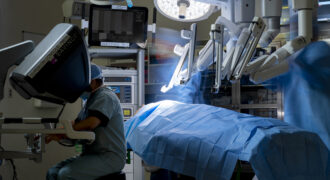
- Robotic-Assisted CABG: Offers extreme surgical precision, minimal tissue disruption, reduced scar tissue, and significantly faster post-operative recovery.
Post-Operative Care: Sustaining Optimal Blood Flow
Surgical precision must be coupled with rigorous long-term post-operative maintenance to keep graft vessels open and healthy.
- Antiplatelet Therapy: Daily medications like aspirin prevent blood clots from forming inside newly constructed grafts.
- Lipid Management: Statin therapy slows down atherosclerotic progression within both natural arteries and venous grafts.
- Cardiac Rehabilitation: Guided physical therapy strengthens cardiovascular endurance safely under professional monitoring.
- Lifestyle Modifications: Strict blood pressure control, blood sugar management, smoking cessation, and a heart-healthy Mediterranean diet preserve vascular integrity.
Concluding Remarks
Coronary Artery Bypass Grafting remains the gold standard intervention for complex coronary artery disease. By redirecting blood around severe blockages, CABG immediately restores oxygen delivery, rescues dormant cardiac muscle, improves pumping efficiency, and provides long-term protection against future adverse cardiac events.
When evaluated for severe coronary blockages, seeking care from an experienced surgical team is paramount. Dr. Udgeath Dhir, Principal Director of Cardiothoracic Vascular Surgery at Fortis Hospital, Gurugram, brings over 15 years of dedicated expertise and a track record of more than 9,000 successful complex cardiac procedures. Holding prestigious qualifications including MBBS, MS (AIIMS), FRCS (Cardiothoracic Surgery, Glasgow), and Intercollegiate Board certification (UK & Ireland), Dr. Udgeath Dhir is widely recognized for his mastery in advanced Coronary Artery Bypass Grafting (CABG), minimally invasive procedures, and robotic cardiac surgery. His patient-centered approach ensures optimal surgical precision, restored blood flow, and comprehensive long-term heart care.
Contact us now to book your appointment right away!
Frequently Asked Questions (FAQs)
1. How does bypass surgery immediately improve blood flow to the heart?
Bypass surgery creates a new pathway around blocked arteries using healthy grafts, immediately restoring oxygen-rich blood flow to starved heart muscle.
2. Can heart function improve completely after undergoing bypass surgery?
Yes, bypass surgery restores blood supply to hibernating heart muscle, significantly improving pumping efficiency, ejection fraction, and overall cardiac contractility.
3. What is the difference between an arterial graft and a venous graft?
Arterial grafts resist plaque buildup better and last longer, whereas venous grafts are easier to harvest for multi-vessel bypass procedures.
4. Will bypass surgery eliminate my chest pain and shortness of breath?
Bypass surgery directly resolves myocardial ischemia, effectively eliminating or drastically reducing angina chest pain, fatigue, and exertion-induced shortness of breath.
5. How long do the blood flow benefits of a bypass graft last?
Arterial bypass grafts can remain open and fully functional for over 10 to 20 years with proper medication and lifestyle management.