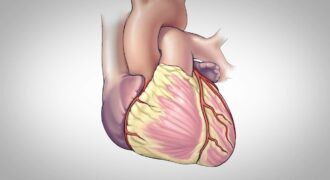
Heart disease remains the leading cause of mortality globally, yet nearly 80% of premature heart attacks and strokes are preventable. The three most significant risk factors for heart disease that you can actively control are high blood pressure (hypertension), high blood cholesterol, and a sedentary lifestyle. Managing these key health markers through targeted daily habits, proper nutrition, and medical guidance dramatically lowers cardiovascular risk.
Understanding Cardiovascular Risk: Modifiable vs. Non-Modifiable Factors
Cardiovascular diseases (CVDs) develop over time due to a combination of genetic, environmental, and behavioral influences. Medical experts categorize heart disease risk factors into two primary groups:
Non-Modifiable Risk Factors
Elements you cannot alter, including age, biological sex, ethnic background, and family medical history.
Modifiable Risk Factors
Behavioral and clinical health markers that you can actively manage, treat, or eliminate through targeted lifestyle interventions and routine care.
1. High Blood Pressure (Hypertension)
High blood pressure damages arterial walls over time, forcing the heart to work harder to pump blood. Controlling hypertension through low sodium intake, regular exercise, and medication reduces stroke and heart failure risks significantly.
Why Blood Pressure Matters
Blood pressure measures the force of circulating blood against arterial walls. When this pressure remains persistently elevated, arteries lose their elasticity, become narrow, and develop micro-tears where fatty plaques can accumulate.
Blood Pressure Categories
| Category | Systolic (Top Number) | Diastolic (Bottom Number) | Action Required |
| Normal | Less than 120 mmHg | Less than 80 mmHg | Maintain healthy lifestyle habits |
| Elevated | 120–129 mmHg | Less than 80 mmHg | Adopt dietary and exercise changes |
| Stage 1 Hypertension | 130–139 mmHg | 80–89 mmHg | Lifestyle modifications +/- medication |
| Stage 2 Hypertension | 140 mmHg or higher | 90 mmHg or higher | Clinical evaluation & prescription care |
How to Control High Blood Pressure
- Reduce Sodium Intake: Limit daily sodium to under 2,000 mg by reducing processed food consumption.
- Adopt the DASH Diet: Focus on potassium-rich foods like leafy greens, bananas, and sweet potatoes.
- Manage Chronic Stress: Practice daily mindfulness, deep breathing, or yoga to prevent recurring adrenaline spikes.
- Monitor Routinely: Keep a home blood pressure log to track trends and share readings with your physician.
2. High Blood Cholesterol and Unhealthy Diet
Excess Low-Density Lipoprotein (LDL) cholesterol creates fatty deposits inside coronary arteries, restricting oxygen-rich blood flow. Managing cholesterol requires limiting saturated fats, increasing soluble fiber, and optimizing metabolic health.
The Role of Lipoproteins
Cholesterol travels through the bloodstream attached to proteins called lipoproteins. Understanding the distinction between beneficial and harmful cholesterol types is essential for cardiovascular prevention:
- Low-Density Lipoprotein (LDL): Known as bad cholesterol. High LDL levels lead to plaque buildup (atherosclerosis) inside blood vessels.
- High-Density Lipoprotein (HDL): Known as good cholesterol. HDL acts as a scavenger, carrying excess cholesterol back to the liver for removal.
- Triglycerides: A type of blood fat linked to metabolic syndrome, excess sugar intake, and physical inactivity.
Lipid Panel Reference Guidelines
| Lipid Type | Optimal Range | Borderline Risk | High Risk |
| Total Cholesterol | Under 200 mg/dL | 200–239 mg/dL | 240 mg/dL or higher |
| LDL Cholesterol | Under 100 mg/dL | 130–159 mg/dL | 160 mg/dL or higher |
| HDL Cholesterol | 60 mg/dL or higher | 40–59 mg/dL (Men) / 50–59 mg/dL (Women) | Under 40 mg/dL (Men) / Under 50 mg/dL (Women) |
| Triglycerides | Under 150 mg/dL | 150–199 mg/dL | 200 mg/dL or higher |
How to Manage Lipid Levels
- Eliminate Trans Fats: Avoid hydrogenated oils found in fried foods and commercial baked goods.
- Increase Soluble Fiber: Eat oats, legumes, flaxseeds, and apples to bind cholesterol in the digestive tract.
- Choose Healthy Fats: Replace butter and lard with monounsaturated fats found in olive oil, avocados, and nuts.
- Incorporate Omega-3s: Consume fatty fish like salmon or mackerel twice weekly to support arterial health.
3. Physical Inactivity and Sedentary Lifestyle
Physical inactivity weakens the heart muscle, increases arterial stiffness, and promotes systemic inflammation. Engaging in regular physical activity strengthens the myocardium, improves insulin sensitivity, and optimizes cholesterol ratios.
The Cardiovascular Effects of Exercise
The heart is a muscular organ that responds directly to conditioning. Aerobic activity increases heart stroke volume, allowing the heart to pump more blood per beat with less exertion.
Exercise Guidelines for Cardiac Health
- Moderate Aerobic Activity: Aim for at least 150 minutes per week of brisk walking, cycling, or swimming.
- Vigorous Aerobic Activity: Alternatively, complete 75 minutes per week of higher-intensity exercises like running.
- Muscle Strengthening: Perform resistance training exercises targeting major muscle groups at least two days per week.
- Break Up Prolonged Sitting: Stand, stretch, or walk for 3 to 5 minutes for every hour of desk work.
Modifiable vs. Non-Modifiable Risk Factors Comparison
| Feature | Modifiable Risk Factors | Non-Modifiable Risk Factors |
| Examples | Blood Pressure, Cholesterol, Inactivity, Smoking | Age, Family History, Biological Sex, Genetics |
| Control Level | High (through daily choices and treatments) | None |
| Primary Goal | Direct prevention and risk reduction | Early screening and risk stratification |
| Impact on Risk | Up to 80% reduction in preventable events | Guides clinical baseline evaluation |
Actionable Strategy Checklist for Heart Health
- Schedule an Annual Health Screen: Check blood pressure, lipid profile, and fasting blood glucose.
- Prepare Heart-Healthy Meals: Plan weekly menus rich in whole grains, lean proteins, and colorful vegetables.
- Track Daily Movement: Target 7,000 to 10,000 steps per day using a wearable fitness monitor.
- Prioritize Quality Sleep: Rest for 7 to 9 hours nightly to support vascular recovery and hormonal balance.
- Stay Adequately Hydrated: Drink plenty of water throughout the day to maintain optimal blood viscosity.
Concluding Remarks
Taking charge of your cardiovascular wellness begins with recognizing that heart health lies largely within your control. By actively regulating blood pressure, optimizing cholesterol levels through balanced nutrition, and maintaining a consistent exercise routine, you can systematically shield your heart against long-term vascular disease.
When navigating complex cardiovascular concerns or evaluating procedural interventions, receiving world-class medical expertise is paramount. Dr. Udgeath Dhir, Principal Director of Cardiothoracic Vascular Surgery at Fortis Hospital, Gurugram, brings over 15 years of surgical excellence and more than 9,000 successful complex cardiac procedures to patient care. Recognized globally for pioneering work in minimally invasive robotic cardiac surgery, coronary artery bypass grafting (CABG), valve repair, and complex heart failure operations, Dr. Udgeath Dhir offers comprehensive diagnostic clarity and advanced surgical solutions for patients seeking optimal heart health. Visit our official website to book your appointment right now!