What Is Coronary Artery Bypass Graft (CABG)?
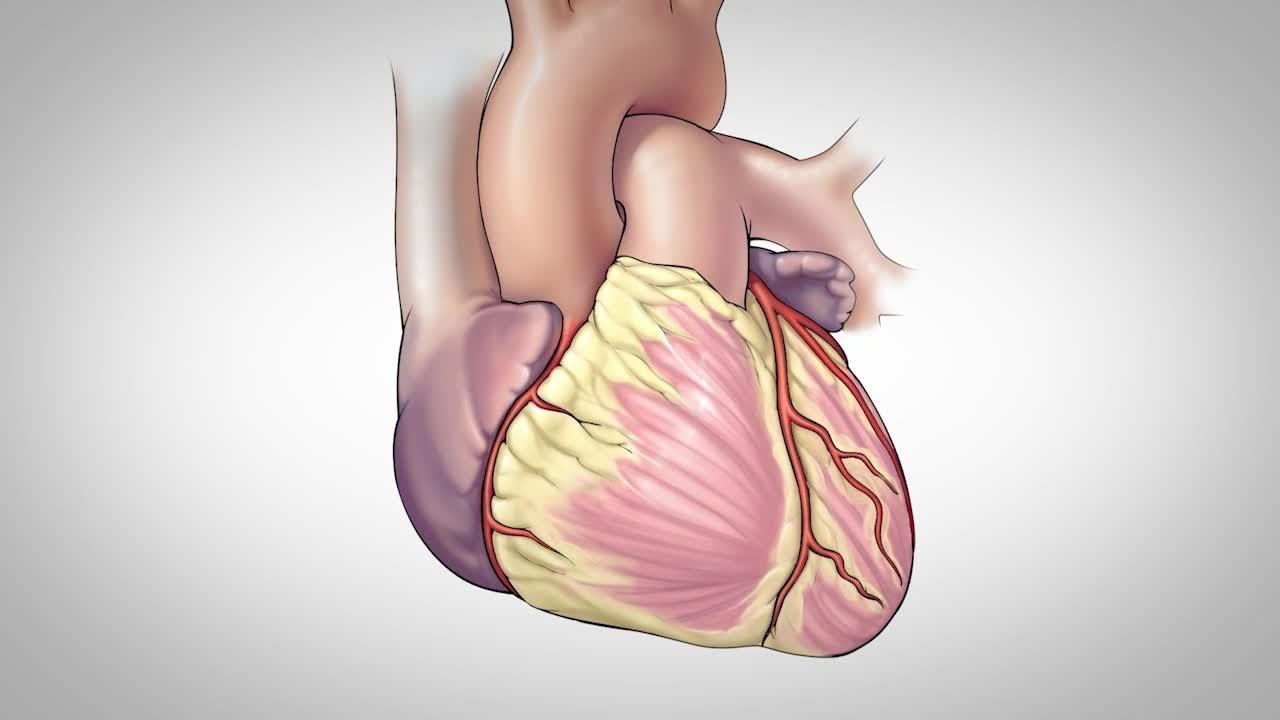
Think of your heart as the engine of your body. Just like an engine needs a continuous supply of fuel, your heart requires oxygen-rich blood to function properly. This blood reaches the heart through small blood vessels called coronary arteries.Over time, these arteries may become narrow because of cholesterol, fat deposits, calcium, and other substances that form plaque. As the arteries narrow, blood flow decreases, making it difficult for the heart muscle to receive enough oxygen. This condition is known as coronary artery disease (CAD) and is one of the leading causes of heart attacks worldwide.A coronary artery bypass graft is performed when these blockages become severe. Rather than removing the blockage itself, the surgeon creates a new route for blood flow using a healthy blood vessel taken from another part of the patient’s body, usually the chest, arm, or leg. This newly created pathway bypasses the blocked artery and restores healthy blood circulation to the heart.Simply put, CABG works like building a new road around heavy traffic so vehicles—or in this case, blood, can reach their destination without delay.CABG at a Glance
| Aspect | Details |
| Procedure Name | Coronary Artery Bypass Graft (CABG) |
| Purpose | Restore healthy blood flow to the heart |
| Recommended For | Severe coronary artery disease |
| Blood Vessel Used | Chest artery, arm artery, or leg vein |
| Average Surgery Duration | 3–6 hours |
| Hospital Stay | Usually 5–7 days |
| Recovery Time | Around 6–12 weeks, depending on overall health |
How Is CABG Surgery Performed? A Step-by-Step Guide
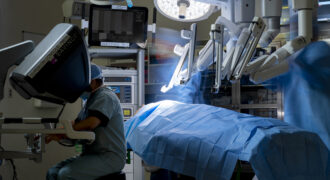
Once your cardiologist recommends CABG surgery, the next question is usually, “What happens during the procedure?” While the idea of heart surgery may sound intimidating, understanding each step can help reduce anxiety. A coronary artery bypass graft is a carefully planned operation performed by a specialized cardiothoracic surgical team using advanced technology and strict safety protocols. Before surgery, patients undergo detailed evaluations, including blood tests, ECG, echocardiography, coronary angiography, and other diagnostic investigations to determine the exact location and severity of artery blockages. On the day of surgery, the patient receives general anesthesia and remains completely asleep throughout the procedure. The surgeon then accesses the heart through the chest and carefully prepares a healthy blood vessel from the chest, arm, or leg to create a new pathway for blood flow. Depending on the patient’s condition, the surgery may be performed using a heart-lung machine or with advanced beating-heart techniques that allow the heart to continue functioning during the operation. Highly experienced cardiac specialists like Dr. Udgeath Dhir carefully select the most suitable surgical approach based on each patient’s medical condition, ensuring maximum safety, precision, and long-term success.The Main Steps of CABG Surgery
Understanding the process becomes much easier when broken down into simple steps.- The patient is given general anesthesia.
- The chest is carefully opened to access the heart.
- A healthy blood vessel is harvested from the chest, arm, or leg.
- The surgeon connects this vessel beyond the blocked coronary artery.
- Blood begins flowing through the newly created route.
- Depending on the case, the surgery may be performed using a heart-lung machine or on a beating heart.
- Once all grafts are secured, the incision is closed, and the patient is shifted to the Intensive Care Unit for close monitoring.
Why Surgical Expertise Matters in Heart Procedures
Heart surgery requires far more than advanced technology, it demands years of surgical experience, sound clinical judgment, and precise decision-making. Every patient’s heart anatomy is unique, and surgeons must carefully plan each graft placement to achieve the best possible blood flow. This is why choosing experienced cardiac specialists and valve surgeons becomes an essential part of successful treatment.An experienced cardiothoracic surgeon not only performs technically complex operations but also manages preoperative planning, intraoperative decision-making, and postoperative recovery with equal attention. This comprehensive approach helps reduce complications and improves patient outcomes over the long term.With over 15 years of experience in cardiothoracic and vascular surgery, Dr. Udgeath Dhir has treated a wide range of complex cardiac conditions, including coronary artery disease, valve disorders, aneurysms, atrial fibrillation, and heart failure. His training at internationally respected institutions, expertise in minimally invasive and robotic-assisted cardiac surgery, and patient-centred philosophy enable him to deliver personalized treatment plans based on each patient’s clinical needs rather than a standardized approach. Patients also benefit from advanced diagnostic evaluations, transparent communication, and compassionate support throughout every stage of their cardiac care journey.Choose Expert Heart Care with Dr. Udgeath Dhir
Your heart deserves expert care, informed decisions, and a treatment plan tailored specifically to your needs. Whether you are experiencing symptoms of coronary artery disease, exploring treatment options, or considering a coronary artery bypass graft, seeking timely consultation from an experienced cardiac specialist is the first step toward protecting your future health. With over 15 years of experience, expertise in CABG surgery, minimally invasive procedures, and advanced cardiac care, Dr. Udgeath Dhir remains committed to delivering exceptional treatment with compassion, precision, and transparency. His patient-centric philosophy, combined with modern surgical techniques and comprehensive postoperative support, has helped countless individuals regain confidence in their heart health. If you are looking for trusted expertise from one of the leading cardiac specialists with extensive experience alongside skilled valve surgeons, schedule a consultation with Dr. Udgeath Dhir and take the first step towards a stronger, healthier heart. Every heartbeat is precious, choose expert care that puts your well-being first.A coronary artery bypass graft is a heart surgery that creates a new pathway for blood to flow around blocked coronary arteries using a healthy blood vessel from the chest, arm, or leg. It helps restore oxygen-rich blood to the heart muscle.
Doctors usually recommend CABG surgery when there are multiple blocked coronary arteries, severe coronary artery disease, failed stents or angioplasty, or when medications alone cannot effectively control symptoms.
Most CABG procedures take approximately 3 to 6 hours, depending on the number of blocked arteries and the complexity of the surgery.
Most patients stay in the hospital for about 5–7 days, while complete recovery generally takes 6–12 weeks, depending on overall health and adherence to rehabilitation guidelines.
Yes. Modern CABG surgery is considered a well-established and highly successful procedure when performed by experienced cardiac surgeons using advanced surgical techniques and appropriate postoperative care.