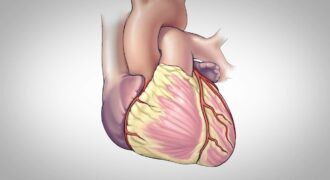
How Stress Affects Your Heart
Whenever the body encounters a stressful situation, it activates its natural “fight-or-flight” response. During this process, hormones such as adrenaline and cortisol are released into the bloodstream. These hormones temporarily increase heart rate, constrict blood vessels, and raise blood pressure, allowing the body to respond quickly to perceived danger.While this response is essential in short-term situations, ongoing stress prevents the body from returning to its normal state. Instead, the heart and blood vessels remain under constant pressure, increasing the risk of long-term cardiovascular damage.High Blood Pressure: The First Warning Sign
One of the earliest effects of chronic stress is persistently elevated blood pressure. During prolonged periods of stress, blood vessels remain narrowed and the heart continues working harder to pump blood throughout the body.Although temporary increases in blood pressure are normal during stressful situations, consistently high blood pressure can gradually damage artery walls. Over time, this extra strain reduces the flexibility of blood vessels and forces the heart to work harder than necessary.High blood pressure is often called the “silent killer” because it frequently develops without obvious symptoms until complications begin to appear.Cortisol Overload: The Hidden Risk
Cortisol, commonly known as the body’s primary stress hormone, plays an important role in helping the body respond to challenging situations. Under normal circumstances, cortisol levels rise temporarily and return to normal once the stressful event has passed.However, chronic stress keeps cortisol levels elevated for extended periods, creating what is commonly referred to as cortisol overload.Persistently high cortisol levels can:- Increase blood pressure
- Promote inflammation within blood vessels
- Raise blood sugar levels
- Encourage fat accumulation around the abdomen
- Place additional strain on the heart
The Long-Term Impact on Heart Health
Unlike sudden illnesses, the effects of chronic stress often develop silently over several years. Many people continue with their daily lives without realizing that their cardiovascular system is under constant strain.If high blood pressure and elevated cortisol levels remain uncontrolled, the long-term consequences may include:- Coronary artery disease
- Heart attack
- Stroke
- Heart failure
Why Chronic Stress Often Goes Unnoticed
One of the biggest concerns with stress-related heart problems is that they develop gradually. Unlike a sudden injury or illness, the effects of chronic stress build up over time, making them easy to overlook. Many people continue with their daily routine without realizing that their heart is under constant strain.Some reasons why stress-related heart damage often goes unnoticed include:High Blood Pressure Usually Has No Symptoms
High blood pressure is often called the “silent killer” because it rarely causes noticeable symptoms in its early stages. Despite feeling completely normal, persistently elevated blood pressure can slowly damage the arteries and increase the workload on the heart.Cortisol Overload Builds Up Gradually
Unlike a sudden illness, cortisol overload develops over weeks or months of ongoing stress. As cortisol levels remain elevated, they continue to affect blood pressure, blood sugar regulation, inflammation, and overall cardiovascular health without obvious warning signs.Everyday Symptoms Are Easy to Ignore
Persistent fatigue, poor sleep, headaches, irritability, difficulty concentrating, and constant mental exhaustion are often blamed on a busy lifestyle. However, when these symptoms continue for a prolonged period, they may indicate that chronic stress is affecting both physical and heart health.Regular Health Check-ups Make a Difference
Because stress-related cardiovascular changes often occur silently, routine blood pressure monitoring and periodic heart health assessments play an important role in early detection. Identifying risk factors early allows timely lifestyle changes and medical intervention before serious complications develop.Recognizing stress as a genuine cardiovascular risk factor, not just an emotional challeng, is an important step toward protecting your heart for the long term.Protecting Your Heart Starts Today
Although stress cannot always be eliminated, its effects on the heart can be significantly reduced through healthy lifestyle habits.Simple measures that support both mental and cardiovascular health include:- Staying physically active
- Following a heart-healthy diet
- Getting 7–8 hours of quality sleep every night
- Practising meditation, yoga, or deep-breathing exercises
- Monitoring blood pressure regularly
- Seeking professional support when stress becomes persistent
Expert Cardiac Care You Can Trust
Preventing heart disease begins with understanding its hidden risk factors and taking timely action. Dr. Udgeath Dhir, a leading Cardiothoracic and Vascular Surgeon with over 15 years of experience, is committed to advancing awareness about preventive heart care while providing expert treatment for complex cardiac conditions. His expertise in minimally invasive and robotic heart surgery, combined with a patient-focused approach, enables patients to receive advanced, evidence-based cardiac care.If you have persistent high blood pressure, ongoing stress, or multiple cardiovascular risk factors, consulting an experienced cardiac specialist can help detect potential problems early and support better long-term heart health.Yes. Chronic stress can keep blood pressure elevated by continuously activating the body’s stress response.
Lorem ipsum dolor sit amet, consectetur adipiscing elit. Ut elit tellus, luctus nec ullamcorper mattis, pulvinar dapibus leo.
It refers to persistently high cortisol levels caused by ongoing stress, which can negatively affect heart health and overall metabolism.
Yes. Long-term stress contributes to hypertension, inflammation, and other changes that increase the risk of cardiovascular disease.
Regular exercise, quality sleep, healthy eating, relaxation techniques, and routine health check-ups are effective ways to reduce stress and support heart health.
If you have persistent high blood pressure, chest discomfort, breathlessness, or other cardiovascular risk factors, it is advisable to seek medical evaluation.