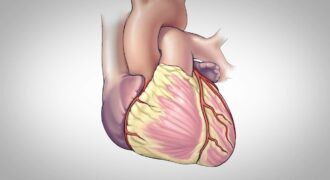
Regular exercise is essential for maintaining cardiovascular health. It strengthens the heart, improves circulation, and lowers the risk of several chronic conditions. However, in certain situations, especially when underlying heart disease is present, physical exertion can act as a trigger for a cardiac event.
What makes this particularly concerning is that early warning signs during exercise are often misinterpreted as routine fatigue or exertion. Recognizing these symptoms early and responding appropriately can significantly reduce the risk of severe complications.
Why Heart Attacks Can Occur During Physical Activity
During exercise, the heart’s demand for oxygen increases. If the coronary arteries are narrowed or blocked, the blood supply may not meet this demand. This imbalance can lead to reduced oxygen delivery to the heart muscle, potentially resulting in a heart attack.
Individuals with conditions such as high blood pressure, diabetes, high cholesterol, smoking history, or a family history of heart disease are at a higher risk.
Key Warning Signs to Watch For
During exercise, it is common to experience fatigue, increased heart rate, and heavier breathing. However, certain symptoms go beyond normal exertion and may indicate that the heart is under stress. The following warning signs should be carefully monitored, especially if they appear suddenly:
1. Chest Pain or Discomfort
Chest discomfort during exercise should always be evaluated carefully. It may present as pressure, tightness, heaviness, or a burning sensation in the chest.
If the sensation persists, recurs, or spreads to areas such as the arms, neck, jaw, or back, it may indicate reduced blood flow to the heart rather than simple muscle strain. Some individuals may also describe it as a feeling of fullness or squeezing rather than sharp pain. Ignoring recurring chest discomfort, even if mild, can delay diagnosis of an underlying coronary condition.
2. Shortness of Breath
Breathlessness is expected during physical exertion, but it should match the intensity of the activity. If breathing becomes unusually difficult during moderate exercise or does not improve with rest, it may suggest that the heart is struggling to pump effectively.
In some cases, shortness of breath may appear suddenly without a significant increase in effort. It can also be accompanied by fatigue or a reduced ability to continue the workout, indicating that the body is not receiving an adequate oxygen supply.
3. Dizziness or Light-headedness
A sudden feeling of dizziness or near-fainting during exercise may indicate inadequate blood flow to the brain. This can result from an abnormal heart rhythm or reduced cardiac output.
Such episodes may occur abruptly and can affect balance or coordination. If the sensation repeats or is associated with blurred vision or weakness, it increases the likelihood of an underlying cardiovascular issue that requires prompt evaluation.
4. Nausea or Cold Sweating
Unexplained nausea, vomiting, or cold, clammy sweating during exercise can be associated with a cardiac event. These symptoms are often mistaken for dehydration or exhaustion but may indicate the body’s stress response to reduced heart function.
Cold sweats that occur without excessive heat or exertion should be taken seriously. When nausea appears alongside fatigue or chest discomfort, it may signal that the heart is under significant strain and requires immediate attention.
5. Rapid or Irregular Heart Rate
An increased heart rate during exercise is normal. However, a heartbeat that feels irregular, excessively rapid, or does not return to normal after rest may indicate an underlying cardiac issue.
Some individuals may experience a fluttering or pounding sensation in the chest, commonly referred to as palpitations. If these sensations are persistent or occur along with dizziness, weakness, or discomfort, they should be evaluated to rule out arrhythmias or other heart conditions.
What to Do If You Experience These Symptoms?
If any of these signs occur during exercise:
- Stop physical activity immediately
- Rest and monitor your symptoms
- Seek medical attention if symptoms persist or worsen
- In case of severe discomfort, contact emergency services without delay
Early intervention can significantly improve outcomes in cardiac emergencies.
Exercising Safely for Long-Term Heart Health
Exercise remains one of the most effective ways to protect your heart, but it should be approached responsibly:
- Begin with moderate intensity and increase gradually
- Undergo regular health screenings, especially if you have risk factors
- Avoid overexertion and stay properly hydrated
- Pay attention to unusual or persistent symptoms
Understanding your limits and responding to warning signs is essential for safe and effective fitness.
Consult a Specialist for Expert Cardiac Care
When it comes to heart health, a timely consultation with an experienced specialist is crucial. Dr. Udgeath Dhir, a renowned cardiothoracic vascular surgeon with over 15 years of experience, brings advanced expertise in managing complex cardiac conditions. Having trained at leading institutions and contributed significantly to cardiac care, he is known for his precision, patient-focused approach, and proficiency in minimally invasive and robotic heart surgeries.
Beyond surgical excellence, Dr. Dhir is deeply committed to spreading awareness about early detection and preventive heart care.
If you experience any unusual symptoms during exercise or wish to assess your cardiovascular health, seeking expert guidance can help you make informed decisions and avoid potential risks.
Take a proactive step toward protecting your heart. Consult a trusted cardiac specialist today.
FAQs
- What symptoms during exercise could indicate a heart attack?
Chest discomfort, unusual shortness of breath, dizziness, nausea, and irregular heartbeat during exercise can indicate a potential heart problem. - How can I differentiate between muscle pain and heart-related chest pain?
Muscle pain is usually localized and related to movement, while heart-related pain may feel like pressure or tightness and can radiate to other areas. - Should I stop exercising if I feel dizzy?
Yes, dizziness during exercise may indicate reduced blood flow or an abnormal heart rhythm and should be evaluated. - Is shortness of breath always a warning sign?
Not always, but if it is sudden, severe, or disproportionate to activity level, it may signal a cardiac issue. - Who is at higher risk of a heart attack during exercise?
Individuals with high blood pressure, diabetes, high cholesterol, smoking habits, or a family history of heart disease are at greater risk.