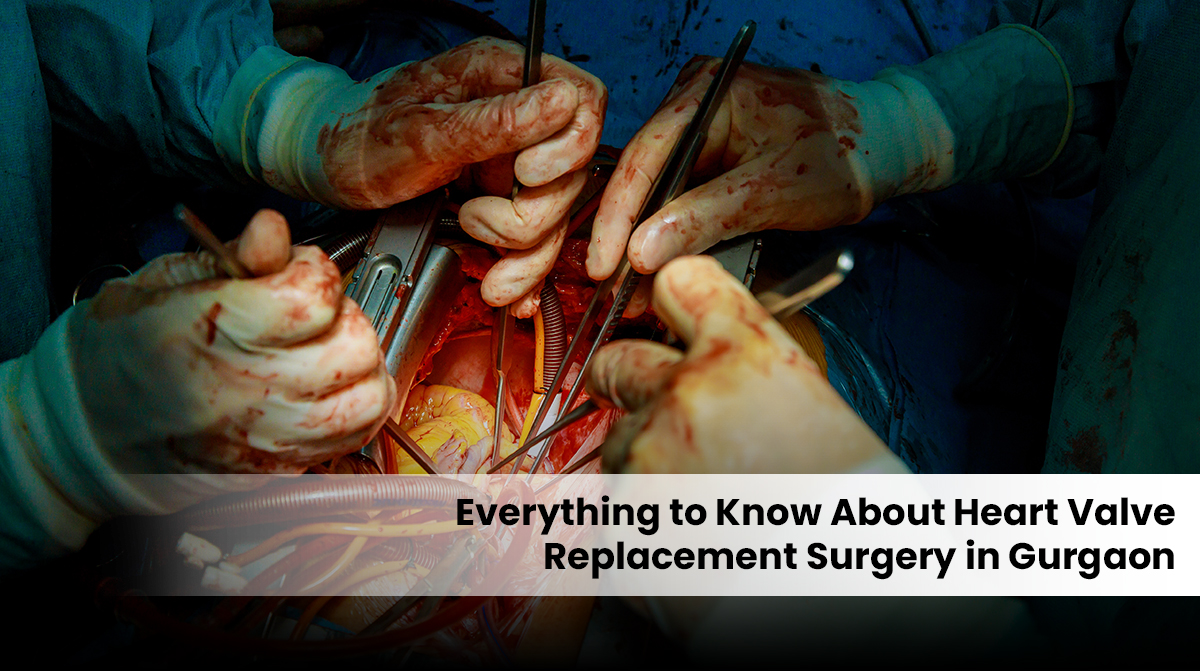
The health of your heart plays a vital role in maintaining your body’s overall well-being. In case a single or multiple valves in your heart’s arteries get blocked, it can affect the entire blood flow throughout your body. In such life-threatening situations, doctors who specialize in cardiology usually suggest a full-fledged heart valve replacement surgery in Gurgaon in order to restore its normal functioning.
However, most people experience anxiety when they learn about heart surgery procedures. Through this blog, we will help you understand the complete process, including information on the types of replacement valves. Also, we’ll explain the common signs that indicate when you need it, and what you can expect pre and post surgery, as well as the benefits of treatment.
What Is Heart Valve Replacement Surgery?
Heart valve replacement surgery is a procedure in which an expert and qualified surgeon replaces an impaired heart valve with a synthetic valve.
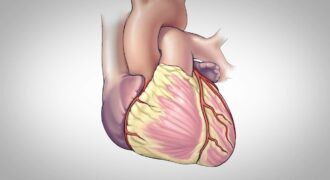
The human heart normally contains four valves which operate to control blood flow throughout the entire body. These are as follows:
- Tricuspid Valve
- Pulmonary Valve
- Mitral Valve
- Aortic Valve
The heart loses its capacity to pump blood when any of these valves develop narrowing or leakage problems. In such cases, most doctors recommend heart valve replacement surgery in Gurgaon to restore blood circulation, which reduces the possibility of:
- Breathing problems
- Chest pain
- Physical and mental Fatigue
- Swelling in the legs
A proper valve replacement treatment can greatly improve a patient’s quality of life and help in preventing the above-mentioned serious complications.
Types of Replacement Valves
When undergoing heart valve replacement surgery in Gurgaon, patients are usually offered two main types of replacement valves.
These are as follows:
1. Mechanical Valves
These valves are constructed using long-lasting materials that include metal and carbon.
Key Features:
- These valves offer extended durability as they remain functional for a long time.
- These valves function as a suitable solution for patients who are in their younger age .
- These valves require patients to take blood-thinning medication for their entire life.
2. Biological (Tissue) Valves
These valves are made from animal or human tissue.
Key Features:
- These valves provide more natural body functions to the patient.
- These valves do not require continuous medication after treatment.
- These valves require patients to replace them after a period of 10 to 15 years.
Note: Your family doctor can help you select the appropriate valve based on your current health condition and personal preferences.
Who Does Heart Valve Replacement Become Necessary?
Here are some signs that indicate a heart valve replacement is necessary:
- The valve damage has reached its most critical state.
- The symptoms keep progressing to a more severe state.
- The heart faces continuous pressure from its current condition.
These situations lead to an increased danger of developing heart failure.
Following are some common scenarios where only heart valve repair is sufficient:
- Aortic stenosis
- Mitral valve regurgitation
- Congenital valve defects
Patients who receive early diagnosis and timely treatment for their heart’s condition will achieve faster recovery.
What Happens Before or During Surgery?
A skilled and professional cardiovascular surgeon uses his expertise to replace damaged heart valves with new valves through surgical techniques.
Generally, a cardiovascular surgeon uses these surgical techniques to treat patients:
- Open-heart surgery,
- Minimally invasive surgery,
- Transcatheter procedures which include TAVR and TAVI.
These are the steps a cardiovascular doctor follow while doing the surgery:
- The patient is given anesthesia.
- The surgeon accesses the heart.
- The damaged valve is removed.
- A new valve is placed.
- The heart is checked for proper function.
The procedure needs several hours to complete while the doctor and his/her medical staff monitor patients closely throughout their recovery period.
Recovery After or Post-Surgery
Recovery post surgery is an important part of the treatment. After a successful heart valve replacement is done, patients usually need to stay in the hospital for a few days.
Here are some post-care tips that patients need to follow:
- Following the doctor’s advice strictly.
- Taking medicines on time.
- Avoid heavy activities initially.
- Eating a healthy, balanced diet.
- Attending follow-up visits.
Most patients can recover fully within a few weeks and return to their regular life, if they follow these tips carefully.
Benefits of Heart Valve Replacement
Here are some practical benefits:
- Improved blood flow
- Relief from symptoms
- Better energy levels
- Reduced risk of heart failure
- Longer and healthier life
Why Do You Need to Consult With Dr. Udgeath Dhir?
Doctor Udgeath Dhir operates his medical practice at Fortis Memorial Research Institute in Gurgaon to provide patients with specialized treatment and trustworthy valve surgery services. Dr. Dhir and his team use their extensive experience to manage all medical procedures with accurate handling from the initial patient diagnosis through to the complete recovery process.
Do not delay before it gets too late for you or your loved one. Book a consultation today as the process to improve the health of your heart begins right now.
FAQs
- How long does heart valve replacement surgery take?
The procedure usually takes 3 to 5 hours, depending on the type of surgery and the patient’s condition.
- Is heart valve replacement surgery in Gurgaon safe?
The procedure achieves safe results without complications because skilled valve surgeons and contemporary hospitals operate in the city.
- How do I choose between different replacement valves?
Your doctor will help you choose between mechanical and biological replacement valves after evaluating your age, health status, and daily activities.
- What is the recovery time after surgery?
Most patients need 4 to 8 weeks for recovery but their recovery time depends on the particular surgery they underwent and their overall health status.
- When should I consider heart valve replacement surgery in Gurgaon?
You should consider heart valve replacement surgery in Gurgaon when symptoms become severe, or your doctor confirms that the valve damage is affecting the functioning of your heart.