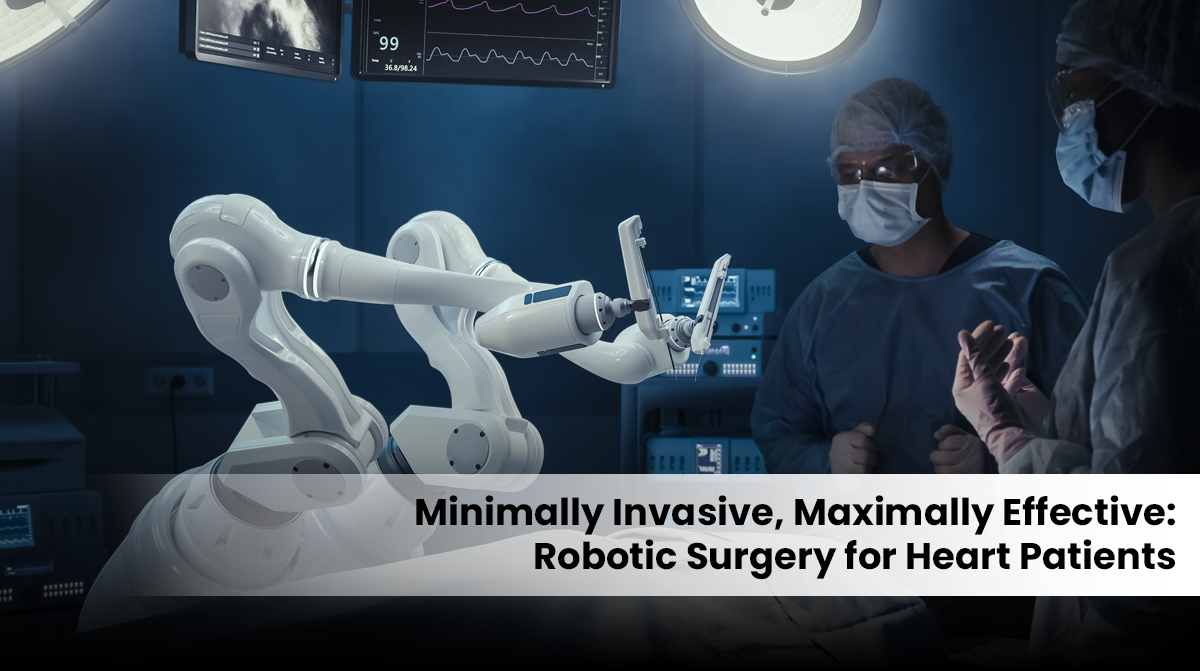
Advancements in medical technology have revolutionized the way heart diseases are treated. Traditional open-heart surgeries, while effective, often involve large incisions, prolonged recovery, and significant post-operative discomfort. Enter robotic surgery in cardiac surgery, a groundbreaking approach that combines precision, efficiency, and minimal invasiveness to transform patient outcomes. This technology empowers surgeons to perform complex heart procedures with unmatched accuracy while ensuring patients recover faster and with less trauma.
What is Robotic Heart Surgery?
Robotic heart surgery is a minimally invasive surgical technique that utilizes advanced robotic systems to assist surgeons in performing precise cardiac procedures. Unlike traditional open-heart surgery, which requires a large chest incision, robotic surgery is performed through small keyhole incisions. These small entry points allow robotic instruments, controlled by the surgeon, to access the heart with incredible dexterity and precision.
The enhanced visualization provided by high-definition 3D cameras ensures that every movement is carefully guided, minimizing errors and improving surgical outcomes. Patients experience less pain, reduced scarring, and faster recovery times, making robotic procedures increasingly popular worldwide.
The Role of a Robotic Heart Surgeon
A robotic heart surgeon is a highly trained cardiac specialist skilled in both traditional and robotic surgical techniques. These surgeons undergo extensive training to operate robotic systems, allowing them to perform delicate procedures that require high precision.
From valve repairs and replacements to coronary artery bypass surgeries, robotic heart surgeons can execute complex operations without the need for large incisions. Their expertise ensures that patients receive advanced care while benefiting from the advantages of minimally invasive surgery.
Advantages of Robotic Heart Surgery
The shift toward robotic-assisted procedures is driven by several patient-centric benefits:
- Minimal Trauma: Small incisions reduce damage to surrounding tissues, leading to less postoperative pain.
- Shorter Hospital Stay: Patients typically spend fewer days in the hospital compared to traditional open-heart surgery.
- Faster Recovery: Reduced trauma and smaller wounds allow patients to resume normal activities sooner.
- Enhanced Precision: Robotic instruments provide a range of motion surpassing human hands, improving surgical accuracy.
- Lower Risk of Infection: Smaller incisions reduce exposure, decreasing the likelihood of infection.
These advantages make robotic heart surgery a game-changer for patients with complex cardiac conditions who are seeking effective yet minimally invasive options.
Common Procedures Using Robotic Techniques
Robotic cardiac surgery is applicable to a wide range of procedures, including:
- Mitral Valve Repair and Replacement: Surgeons can repair or replace valves with minimal incisions, improving heart function.
- Coronary Artery Bypass Surgery (CABG): Robotic systems allow precise graft placement with smaller chest entry points.
- Atrial Septal Defect (ASD) Closure: Correcting congenital heart defects is more efficient and less invasive.
- Cardiac Tumor Removal: Surgeons can access and remove tumors with minimal tissue disruption.
Each procedure leverages the precision of robotic instruments, resulting in improved outcomes and reduced recovery times.
Why Patients Opt for Robotic Heart Surgery
Many patients now prefer robotic techniques due to the combination of effectiveness and comfort. Individuals undergoing robot heart surgery in Gurgaon have reported faster healing, reduced pain, and shorter hospital stays. Moreover, the minimally invasive approach preserves chest integrity, reducing the psychological impact of surgery and promoting quicker reintegration into daily life.
Patients with multiple comorbidities, advanced age, or high-risk conditions particularly benefit from robotic procedures. Reduced blood loss, shorter anesthesia times, and fewer postoperative complications make this approach safer for vulnerable populations.
The Future of Cardiac Surgery
As technology continues to evolve, robotic systems in cardiac surgery are expected to become even more advanced. Innovations such as artificial intelligence-guided instruments, enhanced imaging, and fully automated surgical assistance promise to further improve precision and patient outcomes.
Robotic heart surgery represents the convergence of surgical expertise and cutting-edge technology. With continuous research and innovation, patients can look forward to procedures that are not only effective but also patient-friendly, transforming cardiac care as we know it.
Conclusion
Robotic surgery in cardiac surgery has redefined how heart conditions are treated. By combining the skill of a robotic heart surgeon with minimally invasive techniques, patients benefit from faster recovery, reduced complications, and life-saving precision. For those seeking expert care, Dr. Udgeath Dhir is a trusted specialist in robotic heart surgery, offering unparalleled expertise, personalized treatment plans, and a commitment to patient safety and recovery. Under his guidance, patients experience advanced cardiac care designed to restore health and quality of life.
FAQs
- What is robotic heart surgery, and how is it different from traditional heart surgery?
Robotic heart surgery uses small incisions and robotic instruments, unlike traditional open-heart surgery, offering precision and faster recovery. - Who qualifies for robotic heart surgery performed by a robotic heart surgeon?
Patients with mitral valve issues, coronary artery disease, or congenital defects may qualify for minimally invasive robotic procedures. - How long does recovery take after robot heart surgery in Gurgaon?
Recovery is typically faster than open-heart surgery, with most patients resuming normal activities within a few weeks. - Are the risks lower in robotic surgery compared to conventional heart surgery?
Yes, robotic procedures reduce infection risk, blood loss, and trauma, making them safer for high-risk or elderly patients. - Does robotic surgery in cardiac surgery guarantee better outcomes than traditional surgery?
While results depend on individual cases, robotic surgery generally offers improved precision, faster recovery, and fewer complications.