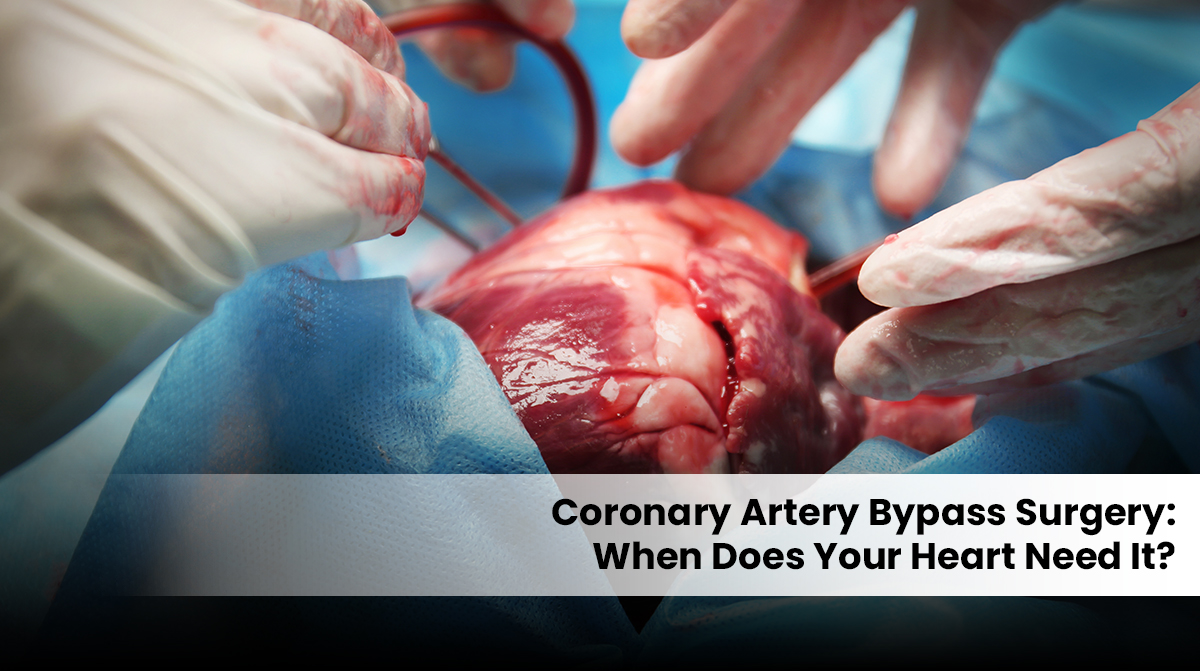
Your heart works every second of every day, and when the arteries supplying it with blood get blocked, the consequences can be life-threatening. Blocked arteries reduce the oxygen reaching your heart muscle, which can lead to chest pain, breathlessness, and in severe cases, a heart attack. The good news is that modern cardiac surgery has made it possible to treat even severe blockages safely and effectively.
If you or someone you love has been diagnosed with severe coronary artery disease, this guide will help you understand your options and make a confident, informed decision about your care.
What Is Coronary Artery Bypass Graft Surgery?
Coronary artery bypass graft surgery is a procedure that creates a new route for blood to flow around a blocked or narrowed coronary artery. Think of it like building a bypass road around a traffic jam. Surgeons use healthy blood vessels taken from your chest (LIMA or RIMA), arm (radial artery), or leg (saphenous vein) to create these new pathways, ensuring your heart receives the oxygen-rich blood it needs.
This procedure has been a cornerstone of cardiovascular medicine for decades, offering real, lasting relief to patients with severe blockages that cannot be treated with medication or stenting alone.
Why Do Coronary Arteries Get Blocked?
Coronary artery disease happens when plaque builds up inside the arteries that supply blood to your heart. This buildup contains fat, cholesterol, calcium, and other substances from the blood. Over time, it becomes firm and sticks to the artery walls. As it grows, it narrows the arteries and decreases the blood and oxygen supply to the heart.
As the blockage worsens, you may notice:
- Persistent chest pain (angina)
- Shortness of breath during everyday activities
- A growing risk of a heart attack if an artery becomes fully blocked
Left untreated, this can have serious and even fatal consequences.
When Do You Need Coronary Artery Bypass Surgery?
Not every blocked artery calls for surgery. Your doctor looks at the full picture before recommending CABG.
Surgery is usually advised when:
- Multiple coronary arteries are severely blocked
- Medications and lifestyle changes have not brought enough relief
- Angioplasty or stenting is not the right fit for your condition
- You face a high risk of a heart attack because of how extensive the blockages are
The decision is always made carefully, keeping your overall health, age, and cardiac condition in mind.
How Is the Surgery Performed?
Artery bypass grafts function by creating an alternate path that allows blood to flow around blocked arterial sections.
The system operates through these steps:
- Surgeons extract a healthy blood vessel from either your chest, arm, or leg.
- They create a new blood circulation route by connecting the blood vessels above and below the artery blockage.
- Your heart starts receiving enough oxygen again, which helps to reduce your symptoms while decreasing your risk of future health issues.
Today’s CABG techniques have become highly advanced. The procedure has established itself as a trustworthy treatment method, which Indian cardiac centers report to have higher success rates than other medical facilities.
What Does Recovery Look Like After CABG Surgery?
Recovery moves through clear, predictable stages:
- First 2 days: You rest in the ICU while the medical team monitors your heart rate, blood pressure, and overall condition
- Days 3 to 5: You gradually start moving and rebuilding your strength
- Day of discharge: You receive clear instructions on wound care, medications, and what to watch for at home
- First week review: Your surgeon checks your progress and screens for any early issues
- One month post-surgery: Many patients comfortably return to light work and daily routines
Long-term recovery includes cardiac rehabilitation, where supervised exercise, dietary guidance, and lifestyle support help you rebuild confidence and strength.
It is important to continue all prescribed medications, including blood thinners and cholesterol-lowering drugs. Along with this, healthy lifestyle changes such as quitting smoking, eating well, and managing blood pressure and diabetes play a key role in recovery and heart health.
Why Choose Dr. Udgeath Dhir For Your Heart Care?
When it comes to CABG bypass surgery, the right surgeon makes all the difference. Dr. Udgeath Dhir is among India’s most respected cardiac surgeons, known for his precision, expertise in complex bypass procedures, and genuine commitment to each patient’s well-being.
Our team examines each case to choose the safest option. We focus on pain management, walk with you through every stage of recovery, and make sure you never feel alone in the process.
If you are considering CABG bypass surgery in Gurgaon, consult Dr. Udgeath Dhir and take the first step toward a healthier heart.
Frequently Asked Questions
- Is coronary bypass surgery a major surgery?
Yes, it is a major surgery because it directly affects your heart function and quality of life. That said, modern techniques have made it safe and highly successful.
- What is the success rate of coronary bypass surgery?
Most leading cardiac centers in India report success rates of 99% or above for CABG procedures.
- Is there an age limit for bypass surgery?
Age alone does not decide eligibility. Your overall health and cardiac condition matter more, and every patient is assessed individually.
- Will I need medications after CABG surgery?
Yes. Post-surgery medications typically include blood thinners, cholesterol-lowering drugs, and blood pressure medications. Taking them as prescribed supports a smooth recovery.
- How long does full recovery take after CABG?
Full recovery takes several weeks to a few months, depending on your health and the complexity of the surgery. Cardiac rehabilitation plays a key role in getting you back on your feet safely.